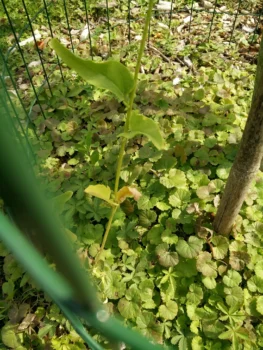
Garden Orache: The Colorful, Edible Annual Worth Getting to Know
If you’re looking for a plant that’s equal parts pretty and practical, let me introduce you to garden orache (Atriplex hortensis). This quirky annual might not be a household name, but it deserves a spot on your gardening radar. With its colorful foliage and edible leaves, garden orache brings both beauty and function to the table—literally!
What Exactly Is Garden Orache?
Garden orache goes by several names, including mountain spinach, armuelle, and mole bledos. As an annual plant, it completes its entire life cycle in one growing season, making it a great option for gardeners who like to switch things up each year.
This plant originally hails from Central Asia and Europe, but it has made itself quite at home across North America. You’ll find it growing wild (thanks to its self-seeding habits) in Alaska, Canada, and throughout most of the lower 48 states, from California to New York and everywhere in between.
- Species observed
- No observations
Why Garden Orache Catches the Eye
What makes garden orache special is its striking appearance. The plant produces triangular to diamond-shaped leaves that can range from green to deep red or purple, depending on the variety. These colorful leaves create an eye-catching display that can reach 3-6 feet tall, making garden orache an excellent backdrop plant for shorter flowers and herbs.
The interesting seed heads that develop later in the season add another layer of visual interest, and many gardeners appreciate them for dried flower arrangements.
Where Garden Orache Shines in Your Landscape
Garden orache works wonderfully in several garden settings:
- Kitchen gardens: Perfect for the edible landscape enthusiast
- Herb gardens: Adds height and color among shorter herbs
- Cottage gardens: Provides that relaxed, informal look
- Annual borders: Creates a colorful backdrop for other plantings
The plant’s tall, upright growth habit makes it ideal for adding vertical interest to garden beds, while its colorful foliage serves as a living mulch around shorter plants.
Growing Conditions That Make Garden Orache Happy
One of garden orache’s best qualities is how easy-going it is about growing conditions. This plant thrives in USDA hardiness zones 3-10, which covers most of North America.
Here’s what garden orache prefers:
- Sunlight: Full sun for best growth and color development
- Soil: Well-drained soil, but tolerates poor soils surprisingly well
- Water: Moderate moisture, but quite drought-tolerant once established
- Wetland tolerance: Flexible—can handle both wet and dry conditions
Planting and Care Tips
Growing garden orache is refreshingly straightforward:
- When to plant: Direct sow seeds in spring after the last frost
- Seeding: Plant seeds ¼ to ½ inch deep
- Spacing: Thin seedlings to 12-18 inches apart
- Maintenance: Minimal care needed once established
- Harvesting: Pick young leaves for the best flavor
Fair warning: garden orache is a prolific self-seeder. If you don’t want it popping up everywhere next year, harvest the seed heads before they mature, or be prepared for some volunteer plants!
Benefits for Wildlife and Pollinators
While garden orache is primarily wind-pollinated, its small flowers can attract some beneficial insects. The seeds also provide food for birds, particularly finches and other seed-eating species.
Should You Plant Garden Orache?
Garden orache is a non-native plant that has naturalized across much of North America without becoming problematic or invasive. For gardeners interested in edible landscaping or those who appreciate colorful, low-maintenance annuals, it can be a great addition.
However, if you’re committed to native-only gardening, consider these native alternatives that offer similar benefits:
- Lamb’s quarters (Chenopodium album): Also edible with similar growing habits
- Native amaranth species: Provide colorful foliage and edible leaves
- Wild spinach (Chenopodium berlandieri): Native edible with comparable uses
The Bottom Line
Garden orache won’t win any awards for being the most glamorous garden plant, but it offers a unique combination of beauty, utility, and ease of care that’s hard to beat. Whether you’re drawn to its colorful foliage, interested in its culinary uses, or simply want a reliable annual that doesn’t demand much attention, garden orache might just surprise you with how much it brings to your garden.
Just remember to keep an eye on those seeds if you don’t want a garden full of volunteers next year—though honestly, there are worse problems to have!