Garden Pea: A Classic Cool-Season Crop for Your Edible Garden
If you’ve ever dreamed of stepping into your backyard and plucking fresh, sweet peas straight from the vine, then garden peas (Pisum sativum) might be calling your name. Also known as English peas, field peas, or green peas, this cheerful annual has been gracing gardens and dinner tables for thousands of years. While it’s not native to North America, this Mediterranean transplant has earned its place in countless home gardens across the continent.
Where Garden Peas Call Home
Garden peas aren’t native to North America—they originally hail from the Mediterranean region and western Asia. However, they’ve made themselves quite comfortable across much of the United States and southern Canada. You’ll find them growing in states from Alabama to Washington, and in Canadian provinces including Manitoba, Ontario, and Quebec. As a non-native species, garden peas are considered naturalized in many areas, meaning they can reproduce and persist without human intervention.
- Species observed
- No observations
What Makes Garden Peas Special
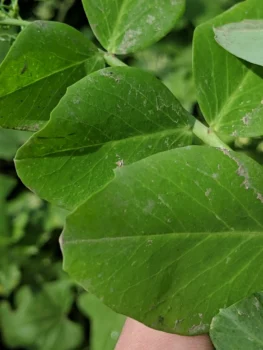
Garden peas are annual plants that belong to the legume family, making them forb herbs without woody stems. These climbing vines can reach 3-6 feet tall, depending on the variety, and produce delicate white or purple flowers that eventually develop into those coveted green pods. The entire plant has a fresh, green appearance that adds vertical interest to any garden space.
One of the most appealing aspects of garden peas is their dual purpose: they’re both ornamental and edible. The flowers attract bees and other beneficial pollinators, while the pods provide a delicious harvest for your kitchen table.
Growing Garden Peas Successfully
Garden peas are cool-weather champions that prefer spring and fall conditions. Here’s what you need to know to grow them successfully:
Growing Conditions
- Full sun (6+ hours of direct sunlight daily)
- Well-drained, fertile soil with pH between 6.0-7.0
- Cool temperatures (ideal range 55-70°F)
- Protection from strong winds
Planting Tips
- Direct sow seeds in early spring, 2-4 weeks before the last frost
- Plant seeds 1-2 inches deep and 2-3 inches apart
- Provide sturdy support structures for climbing varieties
- Consider succession planting every 2-3 weeks for extended harvest
Care and Maintenance
- Water consistently but avoid overwatering
- Mulch around plants to retain moisture and suppress weeds
- Harvest pods regularly to encourage continued production
- Remove spent plants after harvest to prevent disease
Garden Design and Landscape Use
Garden peas work beautifully in vegetable gardens, cottage garden settings, and edible landscapes. Their climbing nature makes them perfect for vertical gardening, and they can serve as temporary screens or living walls when grown on trellises or fences. The delicate flowers and bright green foliage add charm to any garden space.
Since garden peas are nitrogen-fixing legumes, they actually improve soil health by adding nutrients that benefit neighboring plants. This makes them excellent companion plants in diverse garden settings.
Wildlife and Pollinator Benefits
While garden peas provide some benefits to local wildlife, their contribution is relatively modest. Small mammals and terrestrial birds may occasionally use the plants for food or sparse cover, but they typically make up only 2-5% of these animals’ diets. The flowers, however, are more valuable to pollinators, particularly bees, who appreciate the nectar and pollen they provide during the spring blooming period.
Should You Grow Garden Peas?
Garden peas can be a delightful addition to your edible garden, especially if you enjoy fresh, homegrown vegetables and want to support pollinators. However, since they’re not native to North America, consider balancing your garden with native alternatives that provide greater ecological benefits.
Some native alternatives to consider include wild ginger for ground cover, native climbing vines like American groundnut (which also produces edible tubers), or native wildflowers that provide superior pollinator support. These native options will give you the satisfaction of growing beautiful plants while supporting local ecosystems more effectively.
The Bottom Line
Garden peas offer the simple pleasure of homegrown food combined with modest ornamental appeal. While they won’t transform your yard into a wildlife habitat, they’re a perfectly reasonable choice for gardeners interested in edible landscaping. Just remember to give them the cool weather they crave, plenty of support to climb, and consider complementing them with native plants that offer greater ecological benefits. Happy gardening!