Garden Sorrel: A Tangy Addition to Your Edible Landscape
If you’re looking to add a zesty twist to your herb garden, garden sorrel (Rumex acetosa) might just be the perennial you’ve been searching for. This leafy green has been delighting taste buds and filling bellies for centuries, though it comes with a few considerations for the conscientious native plant gardener.
What Is Garden Sorrel?
Garden sorrel is a perennial forb that forms attractive rosettes of arrow-shaped leaves. As a member of the buckwheat family, it’s a vascular plant without significant woody tissue, relying on its underground perennating buds to return year after year. The leaves have a distinctive tart, lemony flavor that makes them a favorite in soups, salads, and sauces.
Where Does Garden Sorrel Grow?
Originally native to Europe and Asia, garden sorrel has naturalized across much of North America. You’ll find it growing in states and provinces including Alberta, British Columbia, Alaska, Manitoba, New Brunswick, Nova Scotia, Ontario, Connecticut, Quebec, Saskatchewan, Yukon, Northwest Territories, Maine, Massachusetts, Michigan, Minnesota, Montana, New Hampshire, New Jersey, New York, Ohio, Oregon, Pennsylvania, Vermont, Washington, Wisconsin, Wyoming, Labrador, and Newfoundland.
- Species observed
- No observations
Native Status: Something to Consider
Here’s where things get interesting from a native gardening perspective. Garden sorrel is considered non-native throughout most of its North American range, though its status is somewhat undefined in Alaska, Canada, Greenland, and the lower 48 states. It has naturalized and reproduces spontaneously in places like St. Pierre and Miquelon.
While it’s not listed as invasive or noxious, mindful gardeners might want to consider native alternatives that provide similar benefits to local ecosystems.
Garden Appeal and Landscape Role
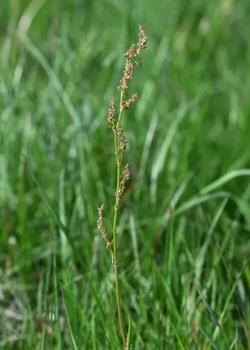
Garden sorrel brings both culinary and ornamental value to the landscape. In early summer, it sends up tall, reddish flower spikes that add vertical interest and attract small pollinators. The plant works well in:
- Herb gardens as an edible groundcover
- Cottage gardens for a traditional feel
- Wild or naturalized areas
- Kitchen gardens for easy harvest access
Growing Conditions and Care
Garden sorrel is refreshingly easy to grow, thriving in USDA hardiness zones 3-9. It adapts to various conditions but performs best with:
- Full sun to partial shade
- Moist, well-drained soil
- Tolerance for poor soils
The plant’s wetland status varies by region – it can handle both wetland and upland conditions in some areas, while preferring drier sites in others.
Planting and Maintenance Tips
Starting garden sorrel is straightforward. The plant readily self-seeds, so you might find volunteers popping up around your garden. To keep it from spreading too enthusiastically:
- Remove flower heads before they set seed if you want to control spread
- Divide clumps every few years to maintain vigor
- Harvest leaves regularly to encourage new growth
- Provide consistent moisture during dry spells
Wildlife and Pollinator Benefits
While garden sorrel does attract small insects to its flowers, providing some pollinator benefits, native plants typically offer more substantial ecological value to local wildlife.
Should You Grow Garden Sorrel?
Garden sorrel can be a delightful addition to an edible landscape, especially if you enjoy cooking with fresh herbs. Its ease of care and reliable perennial nature make it appealing to busy gardeners. However, if your goal is supporting native ecosystems, consider exploring indigenous alternatives that provide similar culinary or ornamental benefits while better serving local wildlife.
If you do choose to grow garden sorrel, be mindful of its self-seeding tendencies and manage it responsibly to prevent unwanted spread into natural areas.