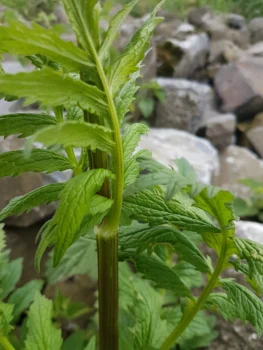
Garden Valerian: A Beautiful but Problematic Perennial
Garden valerian might catch your eye with its delicate, fragrant flowers and feathery appearance, but before you add this European native to your garden, there are some important considerations every responsible gardener should know.
What is Garden Valerian?
Garden valerian (Valeriana officinalis) is a perennial forb that has been cherished for centuries in Europe for its medicinal properties. This herbaceous plant lacks significant woody tissue and produces its growing buds at or below ground level, allowing it to return year after year with renewed vigor.
Where Does Garden Valerian Grow?
Originally from Europe and western Asia, garden valerian has established itself across much of North America. You’ll find it growing in British Columbia, Manitoba, New Brunswick, Nova Scotia, Ontario, Prince Edward Island, Quebec, Newfoundland, and throughout many U.S. states including Connecticut, Idaho, Illinois, Indiana, Iowa, Maine, Maryland, Massachusetts, Michigan, Minnesota, Montana, New Hampshire, New Jersey, New York, Ohio, Oregon, Pennsylvania, Vermont, Washington, West Virginia, and Wisconsin.
- Species observed
- No observations
The Invasive Reality
Here’s where things get complicated. While garden valerian may look lovely, it’s classified as non-native and has concerning invasive tendencies. In Connecticut, it’s listed as Potentially Invasive, Prohibited, and Wisconsin has restricted its use. This hardy perennial reproduces spontaneously in the wild and tends to persist without human intervention – qualities that make it problematic for native ecosystems.
Why You Might Want to Skip This Plant
Despite its attractive 3-5 foot tall stature and clusters of fragrant white to pale pink flowers, garden valerian comes with significant drawbacks:
- Invasive potential that can crowd out native species
- Self-seeds readily and can spread beyond intended areas
- Legal restrictions in some states
- May disrupt local ecosystem balance
Better Native Alternatives
Instead of garden valerian, consider these native alternatives that provide similar aesthetic appeal without the ecological concerns:
- Wild bergamot (Monarda fistulosa) for fragrant flowers and pollinator appeal
- Joe Pye weed (Eutrochium species) for tall, showy flower clusters
- Wild ginger (Asarum canadense) for groundcover in shaded areas
- Native asters for late-season blooms
If You Already Have Garden Valerian
If garden valerian has already established itself in your landscape, consider these management strategies:
- Remove plants before they set seed
- Cut back flower heads immediately after blooming
- Gradually replace with native alternatives
- Monitor for new seedlings and remove promptly
Growing Conditions (For Educational Purposes)
Garden valerian thrives in USDA hardiness zones 4-7 and adapts to various conditions, which partly explains its invasive success. It prefers moist, well-draining soil and grows well in partial shade to full sun. This adaptability makes it particularly concerning from an invasive species perspective.
The Bottom Line
While garden valerian offers pollinator benefits and has historical medicinal significance, its invasive potential and legal restrictions make it a poor choice for responsible gardeners. By choosing native alternatives, you can enjoy similar beauty while supporting local ecosystems and wildlife. Remember, the best gardens work in harmony with their local environment rather than against it.