Garden Yellowrocket: A Cheerful Spring Bloomer with a Complicated Reputation
If you’ve ever spotted bright yellow flowers carpeting roadsides and meadows in early spring, you’ve likely encountered garden yellowrocket (Barbarea vulgaris). This enthusiastic biennial brings sunshine to the landscape when most plants are still shaking off winter’s chill, but its non-native status makes it a somewhat controversial choice for native plant enthusiasts.
What Exactly Is Garden Yellowrocket?
Garden yellowrocket is a biennial member of the mustard family that’s made itself quite at home across North America. Originally from Europe and western Asia, this adaptable plant has spread far and wide, establishing populations that persist and reproduce without any help from humans.
You might also know this plant by its many scientific synonyms, including Barbarea arcuata, Barbarea stricta, or Campe barbarea, though these names are less commonly used today.
Where You’ll Find Garden Yellowrocket
This widespread plant has colonized an impressive range across North America, establishing populations in nearly every U.S. state and Canadian province. From Alabama to Alberta, and from California to Newfoundland, garden yellowrocket has proven remarkably adaptable to diverse climates and conditions.
- Species observed
- No observations
Garden yellowrocket thrives in USDA hardiness zones 3-9, making it suitable for most temperate regions of North America.
The Appeal (and the Drawbacks)
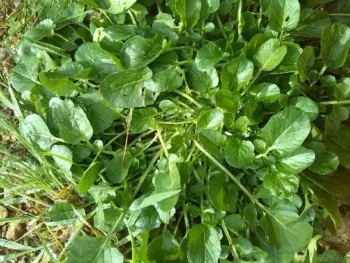
There’s no denying garden yellowrocket’s visual charm. In early spring, it produces clusters of bright yellow, four-petaled flowers that create stunning displays when grown en masse. The flowers emerge from rosettes of dark green, deeply lobed leaves, creating an attractive contrast.
However, its non-native status gives many gardeners pause. While garden yellowrocket isn’t classified as invasive or noxious, it can be quite aggressive in spreading, particularly in disturbed soils and waste areas.
Garden Role and Landscape Use
Garden yellowrocket works best in:
- Wild or naturalized garden areas
- Meadow plantings
- Edible landscapes (the leaves are edible when young)
- Areas where you want early spring color
- Difficult sites with poor or disturbed soil
It’s particularly valuable for providing early nectar when few other flowers are available, supporting bees and other beneficial insects during the crucial early season period.
Growing Conditions and Care
Garden yellowrocket is refreshingly undemanding once you understand its preferences:
- Soil: Prefers moist, fertile soils but tolerates a wide range of conditions
- Light: Grows in partial shade to full sun
- Water: Enjoys cool, wet conditions but adapts to drier sites
- Maintenance: Minimal care needed once established
Wetland Adaptability
Garden yellowrocket shows impressive flexibility when it comes to moisture levels. Depending on your region, it can function as either a facultative wetland plant (equally comfortable in wet or dry sites) or a facultative upland plant (preferring drier conditions but tolerating wetlands). This adaptability explains much of its widespread success.
Should You Plant Garden Yellowrocket?
The answer depends on your gardening goals and philosophy. Garden yellowrocket offers reliable early spring color, supports pollinators, and requires minimal care. However, its non-native status and tendency to self-seed aggressively might make it unsuitable for native plant gardens or areas where you want tight control over plant populations.
If you’re looking for native alternatives that provide similar early spring yellow flowers, consider:
- Wild mustard species native to your region
- Native buttercups
- Early-blooming native wildflowers in the sunflower family
The Bottom Line
Garden yellowrocket is like that enthusiastic neighbor who brings homemade cookies but also lets their dog run loose in your yard. It offers genuine benefits – early color, pollinator support, and easy care – but comes with the caveat of being a non-native species that can spread beyond where you originally planted it. Whether you welcome it into your garden depends on your tolerance for plants that march to their own drum and your commitment to native-only gardening practices.
If you do choose to grow garden yellowrocket, embrace its naturalistic charm and pair it with other early-blooming plants for a spectacular spring display. Just be prepared for it to show up in unexpected places – this cheerful bloomer has a mind of its own!