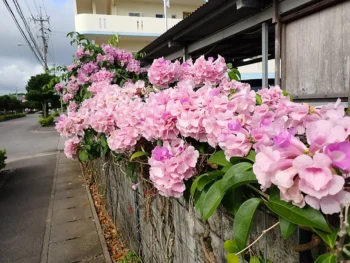
Garlicvine: The Fragrant Climbing Beauty That’s Taking Gardens by Storm
Ever wished your garden could smell like a delightful mix of garlic and jasmine? Meet garlicvine (Mansoa alliacea), a show-stopping climbing plant that’s as aromatic as it is beautiful. This vigorous vine brings tropical flair to any landscape with its cascading clusters of fragrant, trumpet-shaped flowers and lush green foliage.
What Makes Garlicvine Special?
Garlicvine is a perennial climbing plant that can transform any vertical space into a fragrant paradise. When you crush its leaves, you’ll be greeted with a distinctive garlic-like scent (hence the name!), while the flowers offer a sweet, jasmine-like fragrance that’s absolutely intoxicating. The blooms are typically white to pale yellow and appear in abundant clusters, creating a stunning visual display against the backdrop of compound green leaves.
Where Does It Come From?
Originally hailing from the tropical regions of Central and South America, particularly the Amazon Basin, garlicvine has made its way to various warm-climate locations around the world. In the United States, you’ll find it growing in Guam, Palau, and Puerto Rico, where it’s established itself as a non-native species that reproduces naturally in the wild.
- Species observed
- No observations
Should You Plant Garlicvine in Your Garden?
If you’re gardening in USDA hardiness zones 9-11, garlicvine can be a fantastic addition to your landscape. Here’s what you need to consider:
The Pros:
- Absolutely gorgeous, fragrant flowers that bloom repeatedly
- Fast-growing vine that quickly covers structures
- Attracts pollinators like bees, butterflies, and hummingbirds
- Relatively low maintenance once established
- Excellent for screening unsightly areas or creating privacy
The Considerations:
- As a non-native species, it won’t provide the same ecological benefits as native plants
- Can be quite vigorous and may require regular pruning to keep in bounds
- Not cold-hardy and will suffer damage in temperatures below freezing
Perfect Garden Roles for Garlicvine
This versatile climber shines in several landscape applications:
- Covering pergolas, arbors, and gazebos
- Climbing up sturdy fences or walls
- Creating living screens for privacy
- Adding vertical interest to tropical and subtropical gardens
- Growing in large containers in conservatories or sunrooms in cooler climates
How to Grow Garlicvine Successfully
Growing Conditions:
Garlicvine is surprisingly adaptable but has some specific preferences:
- Light: Full sun to partial shade (at least 6 hours of sunlight daily for best flowering)
- Soil: Well-draining, fertile soil with good organic matter
- Water: Regular watering, but allow soil to dry slightly between waterings
- Temperature: Thrives in warm, humid conditions typical of zones 9-11
Planting and Care Tips:
- Provide a sturdy support structure – this vine can get quite heavy as it matures
- Plant in spring after the last frost date
- Space plants 6-8 feet apart if planting multiple vines
- Mulch around the base to retain moisture and suppress weeds
- Prune regularly to control growth and encourage flowering
- In cooler zones, grow in containers that can be moved indoors during winter
- Fertilize monthly during the growing season with a balanced fertilizer
Wildlife and Pollinator Benefits
While garlicvine isn’t native to most of the United States, it does provide some benefits to local wildlife. The fragrant flowers are magnets for various pollinators, including bees, butterflies, and hummingbirds. The nectar-rich blooms can help support these important creatures, especially when native alternatives aren’t available.
Native Alternatives to Consider
If you’re interested in supporting local ecosystems while still enjoying a beautiful climbing vine, consider these native alternatives depending on your region:
- Crossvine (Bignonia capreolata) – Southeast regions
- Trumpet vine (Campsis radicans) – Eastern and Central regions
- Virgin’s bower (Clematis virginiana) – Eastern regions
- Carolina jessamine (Gelsemium sempervirens) – Southern regions
Final Thoughts
Garlicvine can be a stunning addition to warm-climate gardens, offering fragrant flowers, fast coverage, and pollinator appeal. While it’s not native to most of the U.S., it’s not currently listed as invasive in areas where it’s established. If you decide to grow it, just remember that with great beauty comes great responsibility – keep it well-pruned and contained to prevent it from overwhelming your garden or escaping into natural areas.
Whether you choose garlicvine or opt for a native climbing alternative, you’re sure to enjoy the vertical beauty and fragrance that these wonderful plants bring to your outdoor space!