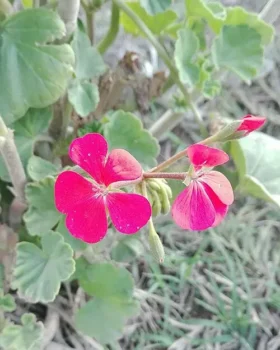
Growing Geraniums: A Guide to Pelargonium in Your Garden
If you’re looking for colorful, easy-to-grow flowers that bring cheerful blooms to your garden, geraniums (Pelargonium) might just be the perfect addition to your landscape. These charming plants have won the hearts of gardeners worldwide with their vibrant flowers and distinctive foliage.
What Are Geraniums?
Geraniums are herbaceous plants that belong to the Pelargonium genus. As forb herbs, they’re vascular plants without significant woody tissue, making them soft-stemmed and relatively tender. These plants can be grown as annuals or perennials depending on your climate and growing conditions.
Native Status and Geographic Distribution
Pelargonium species found in the United States are non-native plants that have been introduced and now reproduce naturally in the wild. You’ll find these plants established in California and Puerto Rico, where they’ve adapted to local growing conditions and persist without human intervention.
- Species observed
- No observations
Why Grow Geraniums in Your Garden?
Geraniums offer several appealing qualities for home gardeners:
- Colorful, long-lasting blooms that add visual interest
- Relatively low maintenance once established
- Versatile growth habit suitable for various garden styles
- Attractive to pollinators like bees and butterflies
- Aromatic foliage that adds sensory appeal
Garden Design and Landscape Role
These adaptable plants work wonderfully in several garden settings. They’re particularly well-suited for Mediterranean-style gardens, container gardening, and annual flower beds. Their herbaceous nature makes them excellent for adding soft texture and color to mixed plantings, and they pair beautifully with other flowering annuals and perennials.
Growing Conditions and Care
Geraniums thrive in well-drained soil and prefer full sun to partial shade conditions. They’re generally hardy in USDA zones 9-11, though this can vary depending on the specific variety. In cooler climates, they’re often grown as annuals or brought indoors during winter months.
For successful growth, provide these key care elements:
- Well-draining soil to prevent root rot
- Regular watering, allowing soil to dry between waterings
- Deadheading spent flowers to encourage continued blooming
- Protection from harsh frost in borderline climates
Considering Native Alternatives
While geraniums can be lovely garden additions, you might also consider exploring native flowering plants in your area. Native species often provide superior wildlife benefits and require less maintenance once established. Check with your local native plant society or extension office for recommendations specific to your region.
The Bottom Line
Geraniums can bring color and charm to your garden, especially in container plantings and Mediterranean-style landscapes. While they’re not native to North America, they’re not considered problematic invasive species either. If you choose to grow them, you’ll enjoy their cheerful blooms and relatively easy care requirements. Just remember to explore native alternatives too – your local wildlife will thank you for it!