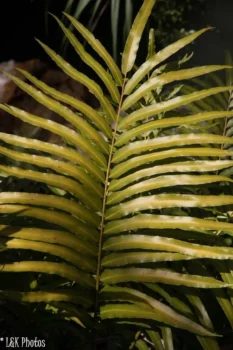
Giant Vine Fern: A Tropical Climber for Warm Gardens
Meet the giant vine fern, a fascinating climbing fern that brings a touch of tropical drama to warm-climate gardens. With its unique ability to scramble up trees and structures, this perennial fern offers something quite different from your typical garden plants.
What Is the Giant Vine Fern?
The giant vine fern (Stenochlaena tenuifolia) is exactly what its name suggests – a large, climbing fern that can reach impressive heights when given the right support. Unlike most ferns that stay put in one spot, this adventurous species loves to climb, making it a unique addition to tropical landscapes.
This fern is technically classified as a forb herb, meaning it’s a vascular plant without significant woody tissue above ground. Don’t let the herb classification fool you though – this fern can grow quite large and create substantial visual impact in the right setting.
Where Does It Come From?
Originally hailing from tropical regions of Africa and Madagascar, the giant vine fern has made its way to Florida, where it now grows and reproduces on its own in the wild. It’s considered a non-native species that has naturalized in the Sunshine State.
- Species observed
- No observations
Garden Appeal and Design Role
If you’re looking to add vertical interest to your tropical garden, the giant vine fern might catch your eye. Its large fronds and climbing habit can create dramatic backdrops against walls, fences, or even climbing up palm trees. The fern works well in tropical-themed landscapes where you want that lush, jungle-like feeling.
Growing Conditions
This fern is definitely not for everyone – it’s quite particular about its living conditions:
- Thrives in USDA hardiness zones 10-11 only
- Needs warm, humid conditions year-round
- Prefers partial shade rather than full sun
- Requires consistent moisture
- Cannot tolerate frost or cold temperatures
Should You Plant It?
While the giant vine fern can be an interesting addition to suitable tropical gardens, there are a few things to consider. As a non-native species, it doesn’t provide the same ecological benefits as native plants. Florida gardeners might want to explore native fern alternatives that better support local wildlife and ecosystems.
Some excellent native Florida fern options include:
- Southern shield fern (Thelypteris kunthii)
- Royal fern (Osmunda regalis)
- Cinnamon fern (Osmundastrum cinnamomeum)
These native alternatives can provide similar lush, tropical appeal while supporting local birds, insects, and other wildlife that have evolved alongside Florida’s native plant communities.
The Bottom Line
The giant vine fern is certainly an eye-catching plant for those lucky enough to live in zones 10-11. However, given its non-native status and specific growing requirements, most gardeners will find greater success and ecological benefit from choosing native fern species that are better adapted to local conditions and support regional wildlife.