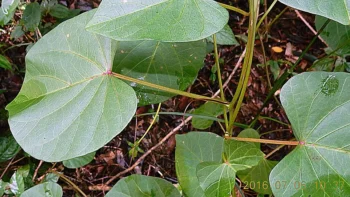
Ginger-Leaf Morning Glory: A Wetland Wonder for Warm Climates
Meet the ginger-leaf morning glory (Ipomoea asarifolia), a charming wetland perennial that’s making waves in specialized garden settings. With its distinctive heart-shaped leaves and delicate morning glory blooms, this unique plant offers something different for gardeners looking to tackle challenging wet areas in their landscape.
What Makes Ginger-Leaf Morning Glory Special?
The ginger-leaf morning glory gets its common name from its attractive foliage, which bears a striking resemblance to ginger leaves. This perennial forb produces lovely white to pale pink trumpet-shaped flowers typical of the morning glory family, creating a soft, romantic appearance in wet garden spaces.
As a non-native species originally from tropical and subtropical regions of the Americas, this plant has established itself in Florida’s wetland environments, where it thrives in consistently moist conditions.
Where Does It Grow?
Currently, ginger-leaf morning glory is found growing wild in Florida, where it has adapted well to the state’s humid, subtropical climate and abundant wetland habitats.
- Species observed
- No observations
Garden Role and Landscape Use
This isn’t your typical border perennial! Ginger-leaf morning glory serves specific purposes in specialized garden settings:
- Excellent ground cover for consistently wet areas
- Natural choice for bog gardens and rain gardens
- Erosion control along water features
- Naturalized plantings in wetland restoration projects
Growing Conditions and Care
If you’re considering ginger-leaf morning glory, here’s what this wetland lover needs to thrive:
Climate Requirements: Hardy in USDA zones 9-11, this frost-sensitive perennial needs warm temperatures year-round.
Moisture Needs: As an obligate wetland plant, it requires consistently moist to wet soil conditions—think bog-like rather than well-drained garden soil.
Light Preferences: Performs best in full sun to partial shade locations.
Soil Type: Adapts to various soil types as long as they remain consistently saturated.
Planting and Maintenance Tips
Growing ginger-leaf morning glory successfully means embracing its wetland nature:
- Plant in areas that stay consistently moist or wet
- Consider containment strategies, as it can spread via runners
- Minimal fertilization needed in rich, organic wetland soils
- Monitor spread to ensure it doesn’t overwhelm other plants
Wildlife and Pollinator Benefits
The morning glory flowers attract various pollinators, including bees and butterflies, adding ecological value to wetland garden spaces. The blooms open in the morning hours, providing nectar for early-rising pollinators.
Should You Plant Ginger-Leaf Morning Glory?
This plant fills a very specific niche—if you have a wet area that needs coverage and live in zones 9-11, ginger-leaf morning glory could be a solution. However, since it’s non-native, consider these factors:
Good choice if: You have challenging wet areas, live in appropriate climate zones, and want reliable ground cover for specialized conditions.
Consider alternatives if: You prefer supporting native ecosystems. Native alternatives for wetland areas might include native sedges, rushes, or region-specific wetland wildflowers.
The Bottom Line
Ginger-leaf morning glory serves a specific purpose for gardeners dealing with wet, challenging spaces in warm climates. While it’s not native, it’s found its place in Florida’s landscape and can be a practical solution for specialized garden situations. As with any non-native plant, thoughtful placement and management ensure it enhances rather than overwhelms your garden ecosystem.
Before planting, check with local extension services about current recommendations for your specific area, and always consider native alternatives that might serve similar functions while supporting local wildlife.