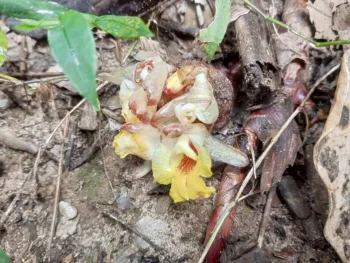
Growing Ginger (Zingiber) in Your Garden: A Spicy Addition to Your Landscape
If you’ve ever dreamed of harvesting your own fresh ginger root or adding some tropical flair to your garden, you might be considering planting Zingiber, commonly known as ginger. This aromatic perennial has captured the hearts (and taste buds) of gardeners across warmer regions of the United States, offering both culinary and ornamental value.
What is Ginger?
Ginger (Zingiber) is a perennial forb – essentially a non-woody plant that comes back year after year. Unlike trees or shrubs, this herbaceous plant lacks significant woody tissue and keeps its growing buds at or below ground level, making it well-adapted to surviving through seasons by retreating to its underground rhizomes.
Where Does Ginger Grow?
Originally native to Southeast Asia, ginger is now established as a non-native species that reproduces naturally in several U.S. regions. You’ll find it growing in Florida, Hawaii, Puerto Rico, the U.S. Virgin Islands, and Palau, where it has adapted well to the warm, tropical climates.
- Species observed
- No observations
Why Consider Growing Ginger?
There are several compelling reasons why gardeners are drawn to growing ginger:
- Culinary value: Fresh ginger root adds incredible flavor to cooking and beverages
- Aesthetic appeal: Broad, lush foliage creates a tropical look in the landscape
- Fragrant flowers: When mature, ginger produces aromatic blooms that add visual interest
- Pollinator benefits: The flowers attract bees, butterflies, and other beneficial insects
- Container-friendly: Perfect for patio gardens and can be moved indoors in colder climates
Garden Design and Landscape Role
Ginger works wonderfully as an accent plant in tropical-themed gardens, herb gardens, or mixed container displays. Its broad leaves provide excellent texture contrast when paired with other plants, and it’s particularly striking when used as a backdrop for smaller flowering plants. Consider it for:
- Tropical and subtropical garden designs
- Herb and culinary gardens
- Container gardens and patio displays
- Shaded garden areas that need texture and interest
Growing Conditions and Care
Successfully growing ginger requires mimicking its tropical origins. Here’s what this heat-loving plant needs:
USDA Hardiness Zones: Ginger thrives in zones 9-11, where temperatures rarely drop below freezing. In cooler areas, it’s best grown in containers that can be brought indoors.
Preferred Conditions:
- Partial shade to filtered sunlight
- Consistently moist, well-draining soil
- High humidity and warm temperatures
- Protection from strong winds
- Rich, organic soil with good drainage
Planting and Care Tips
Getting Started:
- Plant fresh rhizomes in spring after the last frost
- Choose plump, firm rhizomes with visible growing buds
- Plant 2-4 inches deep in rich, well-amended soil
- Space plants 12-18 inches apart
Ongoing Care:
- Water regularly to keep soil consistently moist but not waterlogged
- Apply organic mulch to retain moisture and suppress weeds
- Feed monthly during growing season with balanced fertilizer
- In zones below 9, dig up rhizomes before first frost and store indoors
A Word About Native Alternatives
While ginger can be a delightful addition to appropriate gardens, remember that it’s not native to North America. If you’re passionate about supporting local ecosystems, consider exploring native alternatives that might provide similar benefits. Research native plants in your region that attract pollinators or provide interesting foliage textures – your local native plant society can be an excellent resource for suggestions.
The Bottom Line
Ginger offers gardeners in warm climates an opportunity to grow their own culinary spice while adding tropical appeal to their landscapes. With proper care and the right growing conditions, this aromatic perennial can be a rewarding addition to herb gardens and tropical landscape designs. Just remember to provide the warm, humid conditions it craves, and you’ll be rewarded with lush foliage and the possibility of harvesting your own fresh ginger root.