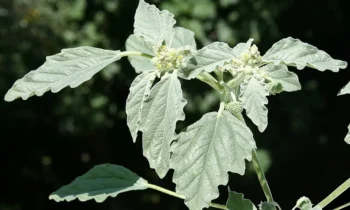
Giradol (Chrozophora tinctoria): An Unusual Annual for Curious Gardeners
If you’re the type of gardener who enjoys quirky, lesser-known plants, you might find yourself intrigued by giradol. This small annual herb isn’t going to win any beauty contests, but it has its own subtle charm and interesting backstory that might appeal to plant collectors and those fascinated by botanical oddities.
What Exactly Is Giradol?
Giradol (Chrozophora tinctoria) is an annual forb—essentially a non-woody herbaceous plant that completes its entire life cycle in one growing season. You might also see it listed under its botanical synonym, Croton tinctoria. This humble little plant belongs to the spurge family and has a rather unassuming appearance that makes it more of a curiosity than a showstopper.
Where You’ll Find It Growing
Originally hailing from the Mediterranean region, North Africa, and parts of Asia, giradol has managed to establish itself in a few spots in the United States. Currently, you can find it growing wild in Alabama and Maryland, where it has naturalized and reproduces on its own without human intervention.
- Species observed
- No observations
Should You Grow Giradol in Your Garden?
Here’s where things get interesting. Giradol isn’t your typical garden center find, and there are some practical considerations to think about:
The Case for Growing It:
- Perfect for collectors of unusual plants
- Historically significant—it was once used to produce a blue dye
- Extremely low-maintenance once established
- Thrives in poor soils where other plants struggle
- Self-sows readily, so you’ll have it year after year
The Case Against:
- Limited ornamental value—it’s not particularly showy
- As a non-native species, it doesn’t support local wildlife as effectively as native alternatives
- Can self-seed aggressively in ideal conditions
- Takes up space that could be used for more beneficial native plants
Native Alternatives to Consider
If you’re drawn to small, interesting annual plants but want to support local ecosystems, consider these native alternatives that offer similar growing conditions but provide better wildlife benefits:
- Wild bergamot (Monarda fistulosa) – attracts pollinators
- Plains coreopsis (Coreopsis tinctoria) – beautiful flowers, supports beneficial insects
- Annual sunflower species native to your region
Growing Giradol Successfully
If you’ve decided that giradol deserves a spot in your garden, you’ll be pleased to know it’s remarkably easy to grow:
Growing Conditions:
- Full sun exposure
- Well-drained soils (it actually prefers poor, sandy soils)
- Drought tolerant once established
- Suitable for USDA hardiness zones 3-10 as an annual
Planting and Care Tips:
- Start from seed in spring after the last frost
- Scatter seeds directly in the garden—no need for indoor starting
- Barely cover seeds with soil, as they need light to germinate
- Water gently until established, then let nature take its course
- No fertilization needed—it actually prefers lean conditions
- Deadhead flowers if you want to prevent excessive self-seeding
What to Expect
Don’t expect giradol to steal the show in your garden. This is a plant for gardeners who appreciate subtlety and botanical interest over flashy displays. The flowers are small and inconspicuous, and while the plant has historical significance as a dye source, its modern garden appeal is definitely niche.
The Bottom Line
Giradol occupies an interesting middle ground in the gardening world. It’s not invasive enough to avoid entirely, but it’s also not native enough to champion wholeheartedly. If you’re a plant collector with space to spare and an interest in unusual species, it might be worth trying. However, if you’re working with limited garden space and want to maximize ecological benefits, your efforts might be better spent on native alternatives that will support local pollinators and wildlife.
Whatever you decide, remember that every garden is a personal expression. If giradol speaks to your gardening soul, go for it—just keep an eye on its self-seeding tendencies and be ready to edit as needed!