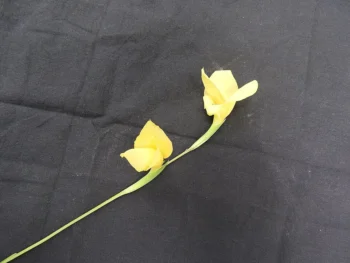
Gladiolus lemoinei: The Mysterious Gladiolus Worth Investigating
If you’ve stumbled across the name Gladiolus lemoinei in your gardening adventures, you’re dealing with one of the more enigmatic members of the gladiolus family. This species presents an interesting puzzle for both gardeners and botanists alike, as detailed information about this particular gladiolus remains surprisingly scarce in modern horticultural literature.
What We Know About This Mysterious Gladiolus
Gladiolus lemoinei belongs to the beloved gladiolus genus, which means it shares the family traits that make these plants garden favorites. Like its more famous cousins, this species likely produces the characteristic sword-like flowers that emerge from tall, elegant spikes. The Gladiolus genus hails primarily from South Africa, suggesting this species probably shares that warm-climate heritage.
Unfortunately, specific details about geographical distribution remain unclear, making it difficult to pinpoint exactly where this species naturally occurs.
Should You Grow Gladiolus lemoinei?
Here’s where things get tricky. The lack of readily available information about Gladiolus lemoinei raises some important considerations:
- Limited availability through typical nursery channels
- Uncertain growing requirements specific to this species
- Possible rarity or conservation concerns
- Potential misidentification in the trade
If you’re determined to grow this particular species, proceed with caution and ensure you’re sourcing from reputable specialists who can verify the plant’s identity.
Growing Gladiolus lemoinei: Best Guesses Based on Family Traits
Since specific growing information is scarce, we can make educated assumptions based on typical gladiolus requirements:
Preferred Growing Conditions
- Light: Likely prefers full sun to partial shade
- Soil: Probably needs well-draining soil with good organic content
- Water: Moderate watering during growing season, drier during dormancy
- Temperature: Unknown hardiness zones – likely tender in most temperate climates
Planting and Care Tips
If you do manage to acquire Gladiolus lemoinei, treat it like other gladiolus species:
- Plant corms in spring after frost danger has passed
- Provide good drainage to prevent corm rot
- Stake tall flower spikes if needed
- Allow foliage to die back naturally to feed the corm
- In cold climates, lift and store corms indoors over winter
Garden Design Potential
Based on gladiolus family characteristics, this species would likely work well in:
- Cutting gardens for fresh flower arrangements
- Mixed perennial borders for vertical interest
- Cottage garden settings
- Mediterranean-style landscapes
Wildlife and Pollinator Benefits
Most gladiolus species attract pollinators, particularly bees and butterflies, though the specific benefits of Gladiolus lemoinei remain undocumented.
Consider These Native Alternatives
Given the uncertainty surrounding Gladiolus lemoinei, you might consider these reliable native alternatives that offer similar garden impact:
- Wild bergamot (Monarda fistulosa) for tall, colorful spikes
- Blazing star (Liatris spicata) for purple flower spikes
- Cardinal flower (Lobelia cardinalis) for dramatic red blooms
The Bottom Line
Gladiolus lemoinei remains something of a botanical mystery. While the allure of growing something rare and unusual is understandable, the lack of reliable information makes this a challenging choice for most gardeners. If you’re interested in gladiolus, consider starting with well-documented species and varieties that will give you reliable results and proven garden value.
Should you encounter this species offered by specialists, ask plenty of questions about its provenance, growing requirements, and authenticity. Sometimes the most mysterious plants turn out to be the most rewarding – but they’re definitely not for beginner gardeners!