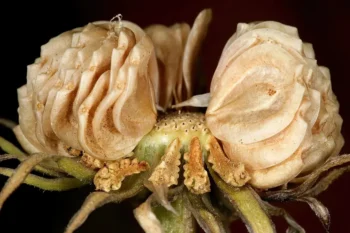
Glandular Cape Marigold: A Cheerful Non-Native Annual for Your Garden
Looking for a splash of sunny color in your garden? The glandular Cape marigold (Dimorphotheca sinuata) might catch your eye with its bright, daisy-like blooms. This annual forb brings a cheerful Mediterranean vibe to gardens, though it’s worth understanding both its benefits and its non-native origins before adding it to your landscape.
What Is Glandular Cape Marigold?
Glandular Cape marigold is an annual flowering plant that belongs to the sunflower family. As a forb, it’s a soft-stemmed plant without woody tissue, making it quite different from shrubs or trees. This charming little plant produces vibrant flowers in shades of orange, yellow, and white, each with distinctive dark centers that create a striking contrast.
Originally hailing from South Africa’s Western Cape region, this plant has found its way into gardens across warmer parts of the United States. It’s established itself as a naturalized species in Arizona, California, and Oregon, where it reproduces on its own in the wild.
- Species observed
- No observations
Garden Appeal and Characteristics
What makes glandular Cape marigold appealing to gardeners? Here are its standout features:
- Bright, cheerful flowers that bloom from spring through fall
- Silvery-green foliage that provides nice contrast
- Compact growth habit perfect for borders and containers
- Self-seeding tendency that can provide ongoing color
- Drought tolerance once established
Where and How to Grow It
If you decide to grow glandular Cape marigold, it thrives in full sun locations with well-draining soil. This plant is particularly well-suited for Mediterranean-style gardens, rock gardens, and coastal landscapes where its drought tolerance really shines.
The plant performs as an annual in USDA zones 2-11, though in the warmest zones (9-11), it might survive mild winters. It prefers sandy or loamy soils and actually performs better in less fertile conditions – too much rich soil can lead to more foliage and fewer flowers.
Planting and Care Tips
Growing glandular Cape marigold is relatively straightforward:
- Direct seed in spring after the last frost date
- Plant seeds about ¼ inch deep in prepared soil
- Water regularly until seedlings are established
- Once mature, water sparingly – this plant prefers dry conditions
- Deadhead spent flowers to encourage continued blooming
- Allow some flowers to go to seed if you want self-seeding
Wildlife and Pollinator Benefits
The bright flowers of glandular Cape marigold do attract pollinators, including bees and butterflies. The nectar-rich blooms can provide food for beneficial insects throughout the growing season, making it a decent choice for pollinator-friendly gardens.
Things to Consider
Before planting glandular Cape marigold, keep in mind that it’s a non-native species. While it’s not currently listed as invasive or noxious, its ability to self-seed and naturalize means it can spread beyond your garden boundaries. This is particularly relevant in areas like Arizona, California, and Oregon where it’s already established in wild areas.
If you’re interested in supporting local ecosystems, consider these native alternatives that offer similar cheerful blooms:
- Desert marigold (Baileya multiradiata) for southwestern gardens
- California poppy (Eschscholzia californica) for western regions
- Black-eyed Susan (Rudbeckia species) for broader geographic areas
- Blanket flower (Gaillardia species) for drought-tolerant color
The Bottom Line
Glandular Cape marigold can be a lovely addition to the right garden setting, especially if you’re looking for low-maintenance annual color in a Mediterranean or drought-tolerant landscape. Its bright flowers and easy-care nature make it appealing to many gardeners. However, consider your local ecosystem and whether native alternatives might better serve both your garden goals and local wildlife. Whatever you choose, you’ll be rewarded with cheerful blooms that brighten up the growing season.