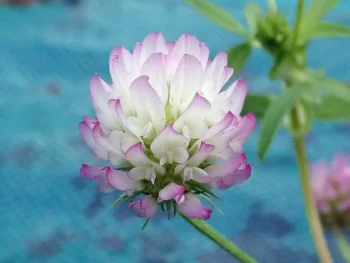
Glandular Clover: A Small but Mighty Native Groundcover
Meet glandular clover (Trifolium glanduliferum), a charming little native that proves good things really do come in small packages! This unassuming member of the pea family might not be the showiest plant in your garden, but it’s definitely one of the hardest working.
What Makes Glandular Clover Special?
Don’t let the word clover fool you into thinking this is just another lawn weed. Glandular clover is a legitimate native wildflower that deserves a spot in your naturalized garden. What sets it apart from its more common cousins are the tiny glandular hairs that give it its name – and a slightly sticky feel when you brush against it.
The flowers are delicate clusters of white to soft pink blooms that sit atop the classic three-leaflet clover leaves. While individual flowers are small, they pack a punch when it comes to supporting local wildlife.
Where Does It Call Home?
This California and Oregon native has made itself quite comfortable along the western coast of North America. It’s particularly happy in the Mediterranean-like climate zones where wet winters give way to dry summers.
Why Your Garden (and Local Wildlife) Will Love It
Here’s where glandular clover really shines:
- Pollinator magnet: Bees absolutely adore the nectar-rich flowers
- Nitrogen fixer: Like other legumes, it actually improves your soil by adding nitrogen
- Low maintenance: Once established, it’s practically care-free
- Drought tolerant: Perfect for water-wise gardens
- Ground cover: Helps suppress weeds while looking intentional
Growing Glandular Clover Successfully
The good news? This little native is refreshingly easy to grow, especially if you’re in USDA hardiness zones 8-10.
Getting Started
Direct seeding works best with glandular clover. Scatter seeds in fall or early spring when soil temperatures are cool and moisture is naturally available. The seeds need good soil contact, so rake lightly after broadcasting.
Ideal Growing Conditions
- Sunlight: Full sun to partial shade (though it prefers more sun)
- Soil: Well-draining soils – it’s not picky about soil type
- Water: Moderate water during establishment, then drought tolerant
- Space: Forms low mats, perfect for filling in gaps
Care and Maintenance
Here’s the best part about glandular clover – it practically takes care of itself! Once established, it needs minimal water and no fertilizer (remember, it makes its own nitrogen). It may self-seed, giving you more plants for free.
Perfect Garden Partnerships
Glandular clover plays well with others, especially in:
- Native plant gardens alongside other California natives
- Wildflower meadows where it can naturalize
- Rock gardens where its low-growing habit fits perfectly
- Xerophyte gardens with other drought-tolerant plants
The Bottom Line
If you’re gardening in its native range and want a low-maintenance ground cover that supports local wildlife, glandular clover is a no-brainer. It’s not going to win any beauty contests, but it’s the kind of reliable, hardworking plant that makes your garden ecosystem healthier and more resilient.
Plus, there’s something deeply satisfying about watching native bees work those tiny flowers, knowing you’ve created a little pocket of habitat right in your backyard. Sometimes the most rewarding garden plants are the ones that ask for the least but give back the most.