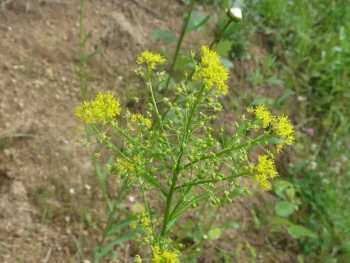
Globe Yellowcress: A Lesser-Known Wetland Plant
Globe yellowcress (Rorippa globosa) is one of those plants that tends to fly under the radar in gardening circles. As a member of the mustard family, this biennial to perennial forb has found its way into North American landscapes, though it remains relatively uncommon and poorly documented compared to its more famous relatives.
What is Globe Yellowcress?
Globe yellowcress is a non-native herbaceous plant that belongs to the yellowcress genus. Like other forbs, it lacks woody tissue and produces its perennating buds at or below ground level. This adaptable plant can live as either a biennial or perennial, depending on growing conditions.
Currently, globe yellowcress has been documented growing in Massachusetts, though its full distribution may be broader than current records indicate.
- Species observed
- No observations
The Challenge with Globe Yellowcress
Here’s where things get interesting (and a bit frustrating for gardeners): there’s surprisingly little detailed information available about globe yellowcress specifically. While we know it exists and that it’s established in North America, comprehensive growing guides and detailed ecological information are scarce.
This lack of documentation makes it challenging to provide specific advice about:
- Exact growing requirements
- Mature size and spread
- Specific wildlife benefits
- Ideal garden applications
- USDA hardiness zones
Should You Plant Globe Yellowcress?
Given the limited information available about this species, most gardeners would be better served by choosing well-documented alternatives. Since globe yellowcress is non-native and we don’t have clear data on its invasive potential or specific ecological benefits, it’s hard to make a strong case for including it in your garden.
Native Alternatives to Consider
If you’re drawn to the idea of yellowcress-type plants, consider these well-documented native options instead:
- Native watercresses: Look for locally native Nasturtium or Cardamine species
- Native mustards: Consider native Brassica family members suited to your region
- Wetland natives: If you’re interested in moisture-loving plants, explore native sedges, rushes, or wet-meadow wildflowers
The Bottom Line
While globe yellowcress might have its place in the plant kingdom, the lack of detailed growing information and its non-native status make it a questionable choice for most gardeners. When there are so many well-documented native plants that provide clear benefits to local ecosystems, it makes sense to focus your energy and garden space on those proven performers.
If you’re specifically interested in this plant for research purposes or happen to encounter it in the wild, appreciate it for what it is—but for your garden, consider choosing natives that will provide clearer benefits to both you and your local wildlife.