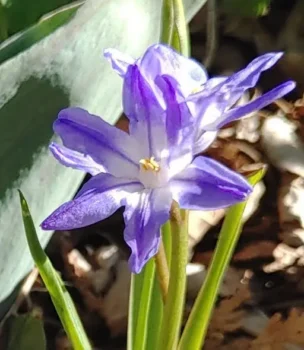
Glory-of-the-Snow: A Charming Early Spring Bloomer
When winter’s grip finally loosens and you’re desperately craving some color in your garden, glory-of-the-snow (Chionodoxa luciliae) might just be the cheerful little bulb that saves your sanity. This petite perennial herb pops up with adorable star-shaped flowers just when you need them most – often poking through the last remnants of snow, hence its delightfully descriptive name.
What Is Glory-of-the-Snow?
Glory-of-the-snow is a small bulbous plant that belongs to the group of early spring bloomers we garden enthusiasts eagerly await each year. Also known simply as glory of the snow, this herbaceous perennial produces clusters of bright blue flowers with distinctive white centers that seem to glow against the brown landscape of late winter.
Originally hailing from Turkey and western Asia, this non-native species has found its way into American gardens and has established itself in several states including Illinois, Massachusetts, Michigan, North Carolina, and Utah, where it reproduces on its own in the wild.
- Species observed
- No observations
Why Gardeners Love (and Sometimes Choose) Glory-of-the-Snow
There are several reasons why this little bulb has captured gardeners’ hearts:
- Early blooms: Flowers appear in late winter to early spring, providing much-needed color when little else is blooming
- Low maintenance: Once established, these bulbs are pretty much hands-off
- Naturalizes well: They spread gradually to form charming drifts
- Pollinator friendly: Early nectar source for bees and other pollinators emerging from winter
- Versatile placement: Works well in rock gardens, woodland settings, or naturalized areas
Growing Conditions and Care
Glory-of-the-snow is surprisingly adaptable and thrives in USDA hardiness zones 3-8. Here’s what this little charmer prefers:
- Soil: Well-drained soil is essential – soggy conditions will cause bulb rot
- Light: Partial shade to full sun, though it’s particularly happy under deciduous trees
- Water: Can handle both wetland and non-wetland conditions, making it quite flexible
- Climate: Needs cool winters for proper bulb development
Planting and Care Tips
Getting these bulbs established is refreshingly straightforward:
- Plant bulbs in fall, about 3-4 inches deep
- Space them 2-3 inches apart for natural-looking clusters
- Choose a location with good drainage
- After blooming, let the foliage die back naturally to feed the bulb for next year
- Divide clumps every few years if they become overcrowded
Garden Design Ideas
Glory-of-the-snow works beautifully in several garden settings:
- Rock gardens: Perfect scale for tucking between stones
- Woodland gardens: Naturalizes under deciduous trees and shrubs
- Early spring displays: Combine with other early bulbs like snowdrops and crocuses
- Lawn alternatives: Plant in drifts where grass struggles to grow
A Word About Native Alternatives
While glory-of-the-snow isn’t considered invasive, eco-conscious gardeners might want to consider native alternatives that provide similar early spring interest and better support local ecosystems. Some wonderful native options include:
- Bloodroot (Sanguinaria canadensis) for white spring flowers
- Wild ginger (Asarum canadense) for early groundcover
- Trout lily (Erythronium americanum) for charming yellow blooms
- Spring beauty (Claytonia virginica) for delicate pink flowers
The Bottom Line
Glory-of-the-snow offers reliable early color and pollinator support with minimal fuss. While it’s not native to North America, it’s also not considered problematic in most areas where it grows. Whether you choose this cheerful immigrant or opt for native alternatives, the key is creating a garden that brings you joy while supporting the broader ecosystem. Sometimes that perfect balance includes a few well-chosen non-natives alongside a strong foundation of local plants.
Just remember: gardening is about creating beauty and supporting life, and there’s room for thoughtful choices that accomplish both goals.