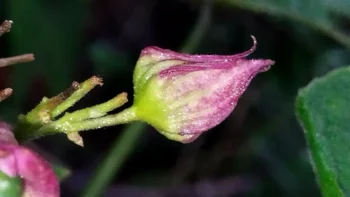
Glorybower: A Fragrant Addition to Your Warm-Climate Garden
If you’re looking for a flowering shrub that brings both fragrance and visual appeal to your garden, you might want to consider glorybower (Clerodendrum). This perennial shrub has been making its way into gardens across the warmer regions of the United States, though it’s worth knowing a bit about its background before you decide if it’s right for your landscape.
What is Glorybower?
Glorybower is a multi-stemmed woody shrub that typically stays under 13-16 feet in height, though it can sometimes grow taller or even develop a single stem depending on growing conditions. As a perennial plant, it comes back year after year, making it a long-term investment in your garden’s structure and beauty.
Where Does Glorybower Come From?
Here’s something important to know upfront: glorybower isn’t native to the United States. It’s originally from tropical and subtropical regions of Africa, Asia, and some Pacific islands. However, it has established itself and now grows wild in many U.S. states including Alabama, Florida, Georgia, Hawaii, Louisiana, Maryland, Mississippi, North Carolina, Pennsylvania, South Carolina, and Texas, as well as in Palau, Puerto Rico, and the Virgin Islands.
- Species observed
- No observations
Should You Plant Glorybower?
The decision to plant glorybower comes with some considerations. On the plus side, this shrub offers:
- Showy, fragrant flower clusters that add both beauty and scent to your garden
- Attractive ornamental berries that follow the flowers
- Pollinator benefits – the fragrant blooms attract butterflies, bees, and other beneficial insects
- Year-round presence as a perennial woody plant
However, since glorybower isn’t native to North America, you might want to consider native alternatives that provide similar benefits while supporting local ecosystems. Native shrubs often require less water and maintenance once established, and they provide better habitat and food sources for local wildlife.
Growing Glorybower Successfully
If you decide to grow glorybower, here’s what you need to know to keep it happy:
Climate Requirements
Glorybower thrives in USDA hardiness zones 9-11, making it suitable for tropical, subtropical, and warm temperate gardens. If you live in a cooler climate, you’ll need to provide frost protection or grow it as a container plant that can be moved indoors.
Growing Conditions
This shrub is fairly adaptable but prefers:
- Partial shade to full sun exposure
- Well-drained soil that doesn’t stay waterlogged
- Regular moisture, especially during dry spells
- Protection from strong winds in exposed locations
Planting and Care Tips
Getting glorybower established and keeping it healthy involves:
- Planting in spring after the last frost date
- Watering regularly, especially during the first growing season
- Applying mulch around the base to retain moisture and suppress weeds
- Pruning occasionally to maintain shape and remove dead or damaged branches
- Providing winter protection in cooler areas of its hardiness range
The Bottom Line
Glorybower can be an attractive addition to warm-climate gardens, offering fragrant flowers and pollinator benefits. However, as a non-native plant, it’s worth considering whether native alternatives might better serve your garden’s ecosystem. If you do choose to plant glorybower, it’s relatively easy to grow with the right conditions and basic care. Just remember to check with your local extension office or native plant society for recommendations on native shrubs that might provide similar benefits while supporting your local environment.