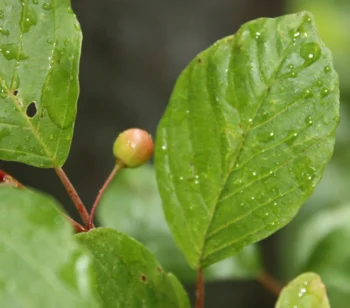
Glossy Buckthorn: The Beautiful Invader You Should Avoid in Your Garden
If you’ve been considering glossy buckthorn (Frangula alnus) for your landscape, it’s time to pump the brakes! While this European native might seem like an attractive shrub option, it’s actually one of those wolf in sheep’s clothing plants that can wreak havoc on our native ecosystems. Let’s dive into why this particular buckthorn species should stay out of your garden—and what you can plant instead.
What is Glossy Buckthorn?
Glossy buckthorn, also known as alder buckthorn or simply frangula, is a perennial shrub that can grow 13-16 feet tall under typical conditions. Originally from Europe and western Asia, this multi-stemmed woody plant has unfortunately made itself quite comfortable across much of North America, spreading far beyond where it was first introduced.
You might also see it listed under its old scientific name, Rhamnus frangula, in older gardening resources—but don’t let the name change fool you into thinking it’s become any less problematic!
Where You’ll Find Glossy Buckthorn
This invasive species has established populations across a huge swath of North America, including provinces like Manitoba, Ontario, and Quebec in Canada, and states ranging from Maine to Wyoming in the U.S. It’s particularly well-established throughout the Great Lakes region and northeastern states.
- Species observed
- No observations
The Invasion Problem: Why This Plant is Trouble
Here’s where things get serious. Glossy buckthorn isn’t just somewhat aggressive—it’s officially classified as invasive in several states:
- Connecticut: Invasive status
- Michigan: Invasive status
- New Hampshire: Prohibited (meaning you can’t legally plant, sell, or transport it)
- Wisconsin: Restricted status
This shrub is incredibly adaptable, which sounds great until you realize that means it can outcompete our native plants in almost any environment. With a facultative wetland status across most regions, it thrives in both wet and dry conditions, making it a formidable opponent for native species.
What Makes It So Invasive?
Glossy buckthorn reproduces spontaneously in the wild without any human help—a polite way of saying it spreads like wildfire. Birds love the berries (which turn from red to black in fall), but unfortunately, they scatter the seeds far and wide, creating new infestations in pristine natural areas.
The plant’s tolerance for shade means it can establish under forest canopies where many native shrubs struggle, fundamentally altering woodland ecosystems.
Our Strong Recommendation: Don’t Plant It!
We cannot stress this enough: please do not plant glossy buckthorn, no matter how attractive those spring flowers or fall berries might seem in garden catalogs. If you already have it on your property, consider removal to prevent further spread.
Better Native Alternatives
The good news? There are fantastic native shrubs that can provide similar aesthetic benefits without the ecological drama:
- Elderberry (Sambucus canadensis): Gorgeous white flower clusters and dark berries that wildlife actually benefit from
- Serviceberry (Amelanchier species): Beautiful spring flowers, edible berries, and stunning fall color
- Spicebush (Lindera benzoin): Shade-tolerant with bright yellow fall color and berries that support native birds
- Gray Dogwood (Cornus racemosa): Adaptable to wet conditions with white berries and excellent wildlife value
If You Must Remove Existing Plants
If you discover glossy buckthorn on your property, removal is the responsible choice. Small plants can be hand-pulled when soil is moist, but larger specimens may require cutting followed by stump treatment to prevent regrowth. Always dispose of plant material responsibly—never compost invasive species!
The Bottom Line
While glossy buckthorn might seem like an easy-care shrub option, its invasive nature makes it a poor choice for responsible gardeners. By choosing native alternatives instead, you’ll create a beautiful landscape that supports local ecosystems rather than disrupting them. Your local wildlife—and your neighbors’ native plant gardens—will thank you!
Remember: the most beautiful garden is one that enhances rather than harms the natural world around it. Let’s keep glossy buckthorn where it belongs—far away from our intentional landscapes.