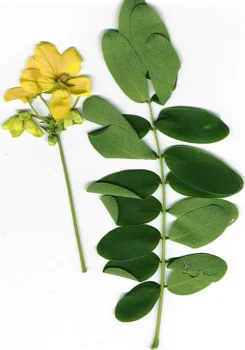
Glossy Shower: A Tropical Beauty That’s Made Itself at Home
If you’ve ever spotted a cheerful yellow-flowered shrub blooming away in Florida, Hawaii, Texas, or Puerto Rico, there’s a good chance you’ve encountered the glossy shower (Senna surattensis). This tropical transplant has quite the story – originally from Southeast Asia, it’s now naturalized across several warm regions of the United States, bringing its sunny disposition wherever it goes.
What Exactly Is Glossy Shower?
Glossy shower is a perennial shrub that typically grows as a multi-stemmed woody plant, usually staying under 13-16 feet tall. Don’t let the scientific name Senna surattensis intimidate you – this plant is pretty straightforward in its needs and habits. You might also see it listed under its former botanical aliases like Cassia suffruticosa or Cassia surattensis in older gardening references.
The glossy part of its common name comes from its attractive, shiny compound leaves that catch the light beautifully. But the real showstopper is its clusters of bright golden-yellow flowers that seem to glow against the green foliage.
Where You’ll Find It Growing
Currently, glossy shower has established itself in Florida, Hawaii, Texas, and Puerto Rico. It’s what botanists call a naturalized species – meaning it arrived from somewhere else but now reproduces and persists on its own in these areas without human help.
- Species observed
- No observations
The Non-Native Question
Here’s the thing about glossy shower: it’s not native to any part of the United States. Originally hailing from tropical Asia, it’s an introduced species that’s found its niche in our warmer regions. While it’s not currently listed as invasive or noxious, it’s worth considering native alternatives that provide similar beauty while supporting local ecosystems.
If you’re in glossy shower’s current range and love the look of bright yellow flowers and attractive foliage, consider these native alternatives:
- Wild senna (Senna hebecarpa) for temperate areas
- Partridge pea (Chamaecrista fasciculata) for a smaller option
- Native Cassia species specific to your region
Growing Glossy Shower Successfully
If you decide to grow glossy shower, you’ll find it’s relatively easygoing. This shrub thrives in USDA hardiness zones 9-11, which explains why it’s done so well in Florida, Hawaii, Texas, and Puerto Rico.
Ideal Growing Conditions
- Sunlight: Full sun to partial shade
- Soil: Well-draining soil (it’s quite adaptable to different soil types)
- Water: Drought tolerant once established, but appreciates regular watering during dry spells
- Climate: Loves warm, humid conditions
Planting and Care Tips
Getting glossy shower established is pretty straightforward. Plant it in a spot with good drainage – while it can handle some moisture (it’s actually facultative in wetland areas of the Atlantic and Gulf Coastal Plain), it generally prefers upland conditions and doesn’t like sitting in soggy soil.
Once established, this shrub is fairly low-maintenance. It may self-seed, so keep an eye out for volunteer seedlings if you don’t want it spreading. A light pruning after flowering can help maintain its shape, but it’s not strictly necessary.
Wildlife and Pollinator Benefits
Those cheerful yellow blooms aren’t just pretty to look at – they’re also magnets for pollinators. Bees and butterflies are particularly drawn to glossy shower’s flowers, making it a valuable addition to pollinator gardens in appropriate climates.
Landscape Design Ideas
Glossy shower works beautifully as a specimen plant where its flowers can really shine, or you can incorporate it into mixed shrub borders for year-round structure with seasonal color. Its compact size makes it suitable for smaller gardens, and its tropical appearance fits perfectly into resort-style or Mediterranean-inspired landscapes.
Just remember – while glossy shower is undeniably attractive and relatively easy to grow, choosing native plants when possible helps support local wildlife and maintains regional ecological balance. If you do decide to grow it, enjoy those sunny yellow blooms and the butterflies they’ll bring to your garden!