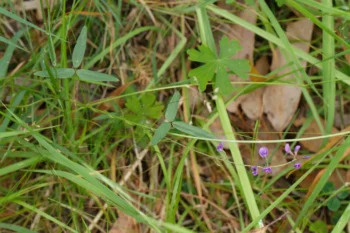
Glycine clandestina: The Mysterious Native Vine Worth Investigating
Meet Glycine clandestina, a somewhat enigmatic member of the legume family that’s flying under the radar in native gardening circles. While this plant doesn’t have a widely recognized common name, its botanical moniker hints at something intriguingly secretive – clandestina literally means hidden or secret in Latin.
What We Know About This Elusive Native
Glycine clandestina appears to be native to Australia, though detailed information about its specific geographic range remains limited in readily available sources. This scarcity of information actually makes it quite fascinating for plant enthusiasts who enjoy discovering lesser-known native species.
The Challenge and Appeal of Growing the Unknown
Here’s where things get interesting (and a bit challenging). Due to limited documentation, growing Glycine clandestina requires a bit of detective work and experiential gardening. This might appeal to you if:
- You enjoy experimenting with rare or understudied native plants
- You’re passionate about preserving lesser-known species
- You like being part of citizen science efforts to document plant behavior
However, this plant might not be for you if:
- You prefer well-documented plants with established growing guides
- You need guaranteed results for specific landscape functions
- You’re new to native gardening and want to start with easier species
What We Can Reasonably Expect
As a member of the Glycine genus (which includes other climbing legumes), we can make some educated guesses about its characteristics:
- Likely a climbing or trailing vine
- Probably produces small pea-like flowers
- May fix nitrogen in the soil like other legumes
- Potentially valuable for supporting native wildlife
Proceeding with Caution and Curiosity
If you’re determined to grow Glycine clandestina, here are some general recommendations:
- Source plants only from reputable native plant specialists
- Start with a small trial planting to observe its behavior
- Document your observations to contribute to botanical knowledge
- Provide growing conditions similar to other Australian native legumes
- Consider reaching out to botanical gardens or native plant societies for guidance
Alternative Native Options
While you’re investigating Glycine clandestina, consider these better-documented native legumes that offer similar ecological benefits:
- Other Glycine species with more established growing information
- Local native climbing legumes appropriate for your region
- Well-documented native vines that support pollinators and wildlife
The Bottom Line
Glycine clandestina represents both the excitement and challenge of native plant gardening. While its secretive nature makes it difficult to recommend confidently, it offers intrepid gardeners an opportunity to explore uncharted botanical territory. If you choose to grow it, approach it as an experiment rather than a guaranteed landscape solution, and always source plants responsibly from native specialists who can provide the most current growing information.
Sometimes the most rewarding garden discoveries come from the plants that keep their secrets just a little longer than the rest.