Discovering Glycine: A Delicate Climbing Vine for Your Garden
If you’re looking for a subtle climbing vine that won’t overwhelm your garden space, Glycine tabacina (commonly known simply as glycine) might catch your interest. This lesser-known member of the legume family brings a quiet charm to landscapes with its delicate flowers and trifoliate leaves that create an understated backdrop in naturalistic plantings.
What is Glycine?
Glycine is a small, climbing vine that belongs to the pea family. Unlike its more famous cousin the wisteria, this plant keeps a much lower profile—literally and figuratively. You might also encounter it under its synonym Glycine koidzumii in some older gardening references, but don’t let that confuse you; it’s the same charming little climber.
Where Does Glycine Come From?
This vine hails from East Asia, where it naturally grows in Japan, Korea, and parts of China. It’s adapted to the temperate climates of these regions, which gives us clues about how to grow it successfully in similar conditions elsewhere.
What Does Glycine Look Like?
Don’t expect dramatic, showy blooms from this plant. Instead, glycine offers:
- Small, pea-like flowers in shades of purple to pink
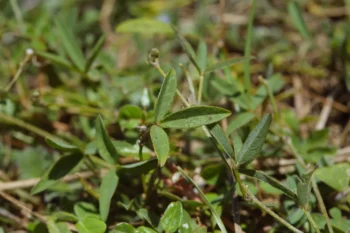
- Trifoliate leaves (three leaflets per leaf) that create a fine-textured appearance
- A climbing or trailing growth habit that works well as groundcover or a gentle climber
- An overall delicate, naturalistic appearance
Growing Glycine Successfully
The good news about glycine is that it’s relatively low-maintenance once you get it established. Here’s what you need to know:
Climate and Hardiness
This vine thrives in USDA hardiness zones 6-9, making it suitable for much of the temperate United States. It can handle some cold but appreciates protection from harsh winter winds.
Light and Soil Requirements
Glycine is quite adaptable when it comes to light conditions:
- Grows well in partial shade to full sun
- Prefers well-draining soil
- Appreciates moderate moisture levels
- Tolerates a range of soil types once established
Planting and Care Tips
Getting glycine started in your garden is straightforward:
- Plant in spring after the last frost date
- Water regularly during the first growing season to establish roots
- Once established, it’s quite drought-tolerant
- May spread via runners, so give it room or be prepared to manage its spread
- Can self-seed in favorable conditions
Garden Uses and Design Ideas
Glycine works well in several garden situations:
- Woodland gardens where its subtle nature complements other understory plants
- Natural areas where you want soft, informal plantings
- As groundcover in areas where grass struggles
- Training up small trellises or allowing it to weave through other plants
Benefits for Wildlife
While glycine may be modest in appearance, it pulls its weight in supporting garden ecosystems. The small flowers attract bees and other pollinators, and as a legume, it actually helps improve soil nitrogen levels—a nice bonus for neighboring plants.
Should You Plant Glycine?
Glycine can be a lovely addition to the right garden setting, especially if you appreciate subtle beauty over flashy displays. However, since it’s not native to North America, you might want to consider native alternatives that could provide similar functions while better supporting local wildlife.
If you do choose to grow glycine, source it from reputable nurseries and be mindful of its spreading habit. Keep an eye on it to ensure it doesn’t become too aggressive in your particular garden conditions.
Whether you’re drawn to its delicate flowers or its easy-going nature, glycine offers a gentle way to add vertical interest and soft texture to naturalistic garden designs. Just remember that sometimes the most beautiful gardens are those that celebrate the native plants that naturally belong in our local landscapes.