Goat Willow: An Early Spring Charmer for Wet Gardens
If you’ve ever admired those fuzzy, silvery catkins that appear in early spring—often called pussy willows—you’ve likely encountered the goat willow (Salix caprea). This perennial shrub brings a touch of whimsy to the garden when most plants are still sleeping, making it a beloved choice for gardeners seeking early-season interest.
What Makes Goat Willow Special?
Goat willow is a multi-stemmed woody shrub that typically reaches 13 to 16 feet in height, though it can grow taller under ideal conditions. What really sets this plant apart is its timing—those iconic silvery-gray catkins emerge before the leaves, creating a stunning display when the rest of the landscape is still bare.
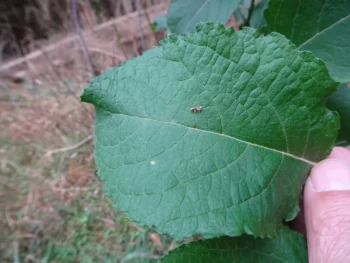
The aesthetic appeal doesn’t stop with the catkins. The rounded leaves have attractive grayish undersides that flutter in the breeze, adding movement and texture to your garden throughout the growing season.
Where Does Goat Willow Come From?
Originally native to Europe and western/central Asia, goat willow has made itself at home across much of North America. As a non-native species, it reproduces spontaneously and persists in both Canada and the United States without human intervention.
You’ll find established populations throughout several states and provinces, including Alabama, British Columbia, Nova Scotia, Ontario, Connecticut, Delaware, Illinois, Maryland, Michigan, New York, North Carolina, Ohio, Pennsylvania, Virginia, and West Virginia.
- Species observed
- No observations
Is Goat Willow Right for Your Garden?
Goat willow shines in specific garden situations. It’s particularly well-suited for:
- Cottage gardens seeking informal charm
- Naturalized or wild garden areas
- Wet gardens and boggy spots
- Wildlife gardens focused on early pollinators
The plant serves as a valuable early nectar source for bees and other pollinators when few other flowering options are available. This makes it especially beneficial for supporting pollinator populations during the crucial early spring period.
Growing Conditions and Care
Goat willow is refreshingly easy to grow, thriving in USDA hardiness zones 4-8. Here’s what this adaptable shrub needs to flourish:
- Moisture: Prefers consistently moist to wet soils—perfect for those problematic boggy areas in your yard
- Light: Full sun to partial shade
- Soil: Tolerates poor soils but performs best with adequate moisture
- Space: Can be an aggressive spreader, so plan accordingly
Wetland Connections
Goat willow’s relationship with water varies by region. In some areas like the Atlantic and Gulf Coastal Plain and Eastern Mountains, it’s considered an obligate wetland plant, meaning it almost always occurs in wetlands. In other regions, it shows more flexibility, sometimes appearing in non-wetland areas while still preferring moist conditions.
Planting and Care Tips
Getting started with goat willow is straightforward:
- Plant in early spring or fall
- Ensure consistent moisture, especially during establishment
- Prune after flowering to maintain shape and size
- Monitor for spreading if space is limited
- Consider its mature size when selecting a location
A Note on Native Alternatives
While goat willow can be a charming addition to appropriate gardens, consider exploring native willow species that might offer similar benefits while supporting local ecosystems. Native willows often provide superior wildlife habitat and are naturally adapted to your local conditions.
Research native Salix species in your region—you might discover an even better fit for your garden goals while supporting local biodiversity. Your local native plant society or extension office can help identify the best native alternatives for your specific area.
The Bottom Line
Goat willow offers undeniable early-spring charm and serves as a valuable pollinator resource when planted in appropriate settings. If you have a wet, informal area where its spreading nature won’t be problematic, and you’re drawn to its distinctive catkins, it can make a delightful garden addition. Just remember to consider native alternatives that might serve your garden—and local wildlife—even better.