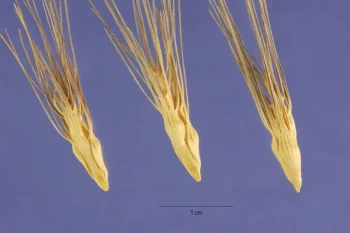
Goatgrass: Why This Mediterranean Grass Isn’t Right for Your Garden
If you’ve stumbled across the name goatgrass while researching grasses for your landscape, you might be wondering if this Mediterranean native could work in your garden. While Aegilops comosa has its place in the botanical world, there are compelling reasons why most gardeners should look elsewhere for their grass needs.
What Is Goatgrass?
Goatgrass is an annual grass that belongs to the same family as wheat and other cereal grains. Native to the Mediterranean region, particularly southeastern Europe and western Asia, this grass has adapted to dry, harsh conditions over thousands of years. It’s a member of the Poaceae family, which includes all true grasses.
The plant gets its common name from its tendency to grow in areas where goats graze, though the connection isn’t particularly flattering for ornamental purposes. In its native range, it grows wild in disturbed soils, roadsides, and marginal agricultural areas.
Why Gardeners Should Think Twice
While goatgrass isn’t necessarily invasive everywhere, it shares genetic similarities with some problematic weedy grasses. Here’s why it’s not the best choice for most gardens:
- Limited ornamental value compared to native grass alternatives
- Can self-seed aggressively in suitable conditions
- Provides minimal benefits to local wildlife and pollinators
- Takes up space that could be used for more beneficial native plants
Growing Conditions and Characteristics
If you’re determined to grow goatgrass for research or botanical interest, it’s relatively undemanding:
- Hardiness: Suitable for USDA zones 7-10
- Soil: Thrives in well-drained, dry soils
- Water: Drought tolerant once established
- Sun: Full sun preferred
- Height: Typically grows 1-3 feet tall
As an annual, goatgrass completes its life cycle in one growing season, producing seeds that can germinate the following year under favorable conditions.
Better Native Alternatives
Instead of goatgrass, consider these native grass options that provide greater ecological benefits:
- Little bluestem – Beautiful fall color and winter interest
- Buffalo grass – Excellent low-maintenance lawn alternative
- Blue grama – Attractive seed heads and drought tolerance
- Sideoats grama – Graceful form with excellent wildlife value
The Bottom Line
While goatgrass might seem like an interesting addition to a Mediterranean-themed garden, there are simply better choices available. Native grasses offer superior wildlife benefits, aesthetic appeal, and ecological value without the potential for becoming weedy. Save your garden space for plants that truly contribute to your local ecosystem while providing the beauty and functionality you’re looking for.
If you’re specifically interested in Mediterranean plants, consider native grasses from your region that share similar drought tolerance and low-maintenance characteristics. Your local extension office or native plant society can provide excellent recommendations tailored to your specific area and growing conditions.