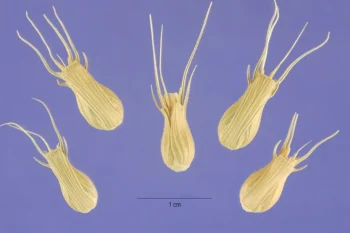
Goatgrass (Aegilops ventricosa): A Grass You Probably Don’t Want in Your Garden
If you’ve stumbled across the term goatgrass in your gardening research, you might be wondering if this is something worth adding to your landscape. The short answer? Probably not. Aegilops ventricosa, commonly known as goatgrass, is one of those plants that’s more likely to show up uninvited than to earn a spot on your garden wish list.
What Exactly Is Goatgrass?
Goatgrass is a member of the grass family (Poaceae) that hails from the Mediterranean region, including parts of Europe, North Africa, and western Asia. It’s what we call a graminoid – basically a fancy way of saying it’s a grass or grass-like plant. While it might look innocuous enough, this annual grass has a bit of a reputation for being a troublemaker outside its native range.
Where Does Goatgrass Grow?
Originally from Mediterranean climates, goatgrass has managed to spread to various parts of the world, including North America. It’s particularly fond of areas with mild, wet winters and dry summers – think California’s climate or similar Mediterranean-type environments.
Why Gardeners Usually Avoid Goatgrass
Here’s where things get a bit complicated. While goatgrass isn’t necessarily listed as a highly invasive species everywhere, it can become weedy and problematic in areas outside its native range. It has a tendency to:
- Self-seed readily and spread beyond where you plant it
- Compete with native grasses and wildflowers
- Offer limited ornamental value compared to native alternatives
- Provide minimal benefits to local wildlife and pollinators
What Does Goatgrass Look Like?
If you’re trying to identify goatgrass, look for a relatively modest annual grass with typical grass-like leaves and seed heads. It’s not particularly showy or ornamental – you won’t mistake it for an ornamental grass that’s been carefully bred for garden appeal. The plant generally stays fairly low-growing and has an unremarkable appearance that blends in with other wild grasses.
Growing Conditions (If You Must Know)
Goatgrass is surprisingly adaptable and drought-tolerant once established. It can handle various soil types and generally thrives in USDA hardiness zones 7-10. However, this adaptability is actually part of what makes it potentially problematic – plants that are easy to grow can quickly become impossible to control.
Better Alternatives for Your Garden
Instead of goatgrass, consider these native and well-behaved alternatives:
- Native bunch grasses specific to your region
- Little bluestem (Schizachyrium scoparium) for prairie-style gardens
- Buffalo grass (Bouteloua dactyloides) for drought-tolerant lawns
- Native sedges for wet areas
The Bottom Line
While goatgrass isn’t the most notorious invasive plant out there, it’s generally not worth the risk for home gardeners. Its limited ornamental value, potential for becoming weedy, and lack of significant wildlife benefits make it a poor choice compared to native alternatives. If you’re looking to add grasses to your landscape, stick with species that are native to your area – they’ll provide better habitat for local wildlife, require less water and maintenance, and won’t risk escaping into natural areas.
Remember, the best gardens work with nature, not against it. Choose plants that belong in your local ecosystem, and you’ll create a more sustainable and beautiful landscape that supports the wildlife in your area.