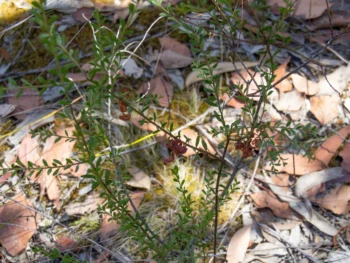
Gold-Dust Acacia: A Sparkling Addition to Drought-Tolerant Gardens
If you’re searching for a plant that brings sunshine to your garden while barely asking for a drink of water, meet the gold-dust acacia (Acacia acinacea). This charming Australian native might just be the golden ticket your drought-prone landscape has been waiting for – though whether it belongs in your particular garden depends on where you call home.
What Exactly is Gold-Dust Acacia?
Gold-dust acacia, also known as gold-dust wattle, is a compact evergreen shrub that’s all about making a statement with minimal fuss. This member of the legume family sports distinctive blue-green phyllodes (those aren’t technically leaves, but flattened stems that do the same job) and produces clusters of bright yellow, fluffy ball-shaped flowers that look like tiny golden pom-poms dancing in the breeze.
Originally hailing from southeastern Australia – particularly Victoria and South Australia – this beauty has adapted to thrive in Mediterranean-style climates around the world. You might also encounter it listed under its botanical synonym, Acacia cyclophylla, in older gardening references.
Size and Growth Habits
Gold-dust acacia typically grows as a dense, rounded shrub reaching about 3-6 feet tall and wide at maturity. It’s not a marathon runner in the growth department – expect a moderate growth rate that gives you time to plan your garden design as it fills out. The compact nature makes it perfect for smaller gardens or as part of a larger drought-tolerant landscape.
Why You Might (or Might Not) Want This Plant
The Golden Reasons to Consider It:
- Spectacular drought tolerance once established
- Gorgeous golden blooms that attract bees and other pollinators
- Low maintenance requirements
- Attractive blue-green foliage year-round
- Perfect for Mediterranean and xeriscape gardens
- Works well as a specimen plant or informal hedge
The Reality Check:
- Only hardy in USDA zones 9-11 (sorry, cold-climate gardeners!)
- As an Australian native, it’s not indigenous to North America or Europe
- May not support local wildlife as effectively as regional native plants
Growing Gold-Dust Acacia Successfully
If you live in the right climate zone and decide this sunny character belongs in your garden, here’s how to keep it happy:
Location and Soil: Choose a spot with full sun and well-draining soil. This plant absolutely despises wet feet, so avoid low-lying areas where water might pool. It’s surprisingly adaptable to poor soils and actually prefers moderate to low fertility – rich soil can make it grow too quickly and become less sturdy.
Planting: Spring is your best bet for planting, giving the roots time to establish before any weather extremes. Dig a hole only as deep as the root ball but twice as wide, and resist the urge to amend the soil too much.
Watering: Here’s where gold-dust acacia earns its drought-tolerant reputation. Water regularly during the first year to help establish the root system, then step back and let nature take over. Overwatering mature plants is more likely to harm than help.
Maintenance: This is refreshingly low-key. Light pruning after flowering can help maintain shape, but it’s not essential. The plant naturally forms an attractive rounded shape without much intervention.
Wildlife and Pollinator Benefits
The abundant golden flowers are magnets for bees, butterflies, and other pollinators, making this plant a valuable addition to pollinator-friendly gardens. However, since it’s not native to most regions where it’s grown, it won’t support local wildlife as comprehensively as indigenous plants would.
The Bottom Line for Your Garden
Gold-dust acacia is undeniably beautiful and practically effortless to grow in the right conditions. If you live in a warm, dry climate and are creating a Mediterranean or drought-tolerant garden theme, it could be a wonderful addition. However, if supporting local ecosystems is a priority, consider researching native alternatives for your region that offer similar aesthetic appeal and drought tolerance.
For gardeners in appropriate climates who appreciate low-maintenance beauty with a touch of golden sparkle, this Australian charmer might just earn a permanent spot in your landscape. Just remember – sometimes the most beautiful gardens are those that blend the best of global horticulture with respect for local ecosystems.