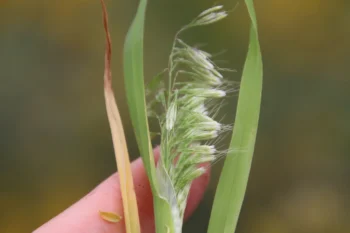
Goldentop Grass: A Mediterranean Beauty in Your Garden
If you’ve ever wandered through a Mediterranean landscape and admired those delicate, golden grass plumes dancing in the breeze, you’ve likely encountered goldentop grass (Lamarckia aurea). This charming annual grass has found its way into gardens across the warmer regions of the United States, bringing a touch of Old World elegance to modern landscapes.
What is Goldentop Grass?
Goldentop grass, also known by its botanical name Lamarckia aurea, is a small annual grass that belongs to the graminoid family. Originally hailing from the Mediterranean region and North Africa, this non-native species has established itself in several U.S. states, including Arizona, California, Hawaii, and Texas. You might also see it listed under its synonym, Cynosurus aureus.
What makes this grass special is its distinctive golden, feathery seed heads that appear in late spring and early summer. These delicate plumes catch the light beautifully and add movement and texture to any garden setting.
Geographic Distribution and Adaptability
Currently, goldentop grass grows wild in Arizona, California, Hawaii, and Texas, where it has naturalized and reproduces on its own. The plant shows remarkable adaptability to different regional conditions, though it generally prefers upland areas rather than wetland environments.
- Species observed
- No observations
Should You Plant Goldentop Grass?
The decision to plant goldentop grass comes down to your garden goals and regional considerations. Here are some factors to weigh:
The Pros:
- Beautiful ornamental value with golden, feathery seed heads
- Low maintenance once established
- Drought tolerant, perfect for water-wise gardening
- Self-sows readily, creating naturalized areas
- Adds texture and movement to garden beds
The Considerations:
- Non-native species that may compete with local plants
- Can self-seed aggressively in favorable conditions
- Limited wildlife benefits compared to native alternatives
Growing Goldentop Grass Successfully
Ideal Growing Conditions
Goldentop grass thrives in full sun and well-draining soil. It’s remarkably drought tolerant once established, making it an excellent choice for Mediterranean-style gardens or xeriscapes. The plant performs best in USDA hardiness zones 8-11, though as an annual, it can be grown in cooler zones as well.
Planting and Care Tips
- Sow seeds directly in the garden in fall or early spring
- Barely cover seeds with soil, as they need light to germinate
- Water regularly until established, then reduce watering
- No fertilizer needed – this grass prefers lean soil
- Allow some plants to go to seed for natural reseeding
Garden Design Ideas
Goldentop grass works beautifully in several landscape settings:
- Mediterranean or drought-tolerant gardens
- Naturalized meadow areas
- Rock gardens and gravel gardens
- As an accent plant in mixed borders
- Cut flower gardens (the seed heads dry beautifully)
Native Alternatives to Consider
While goldentop grass can be a lovely addition to your garden, consider these native grass alternatives that provide similar aesthetic appeal while supporting local ecosystems:
- Little bluestem (Schizachyrium scoparium) – beautiful fall color
- Buffalo grass (Poë dactyloides) – excellent for southwestern gardens
- Purple needlegrass (Stipa pulchra) – California’s state grass
- Sideoats grama (Bouteloua curtipendula) – attractive seed heads
The Bottom Line
Goldentop grass offers undeniable charm with its delicate golden plumes and easy-care nature. If you choose to grow it, do so thoughtfully – enjoy its beauty while being mindful of its self-seeding tendencies. Consider pairing it with native plants or using it in contained areas where its spreading won’t impact local ecosystems. Whether you choose goldentop grass or opt for native alternatives, the key is creating a garden that brings you joy while respecting the natural world around you.