Gophertail Lovegrass: A Hardy Annual Grass for Naturalized Landscapes
If you’re looking for a low-maintenance grass that can handle tough growing conditions, you might have come across gophertail lovegrass (Eragrostis ciliaris). This annual grass has quietly made itself at home across many parts of the United States, though it’s not actually a native species. Let’s explore what this adaptable little grass brings to the table and whether it deserves a spot in your landscape.
What Is Gophertail Lovegrass?
Gophertail lovegrass is an annual grass that belongs to the Poaceae family. Originally from tropical and subtropical regions of Africa and Asia, this hardy little plant has established itself across the southern United States and various Pacific territories. You might also see it listed under its former scientific name, Poa ciliaris, in older gardening references.
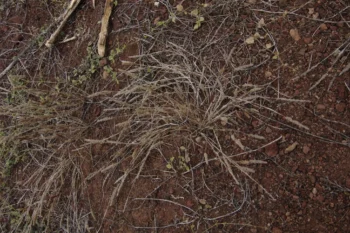
As its common name suggests, the grass produces delicate, somewhat fuzzy seed heads that might remind you of a small animal’s tail swishing in the breeze. These airy seed heads give the plant a soft, naturalistic appearance that works well in informal landscape settings.
Where Does It Grow?
Gophertail lovegrass has spread throughout the warmer regions of the United States, including Alabama, Florida, Georgia, Hawaii, Louisiana, Mississippi, New Jersey, South Carolina, and Texas. It’s also found in several U.S. territories including Guam, Palau, Puerto Rico, and the Virgin Islands.
- Species observed
- No observations
This wide distribution tells us something important about the plant: it’s remarkably adaptable to different growing conditions and climates.
Growing Conditions and Care
One of gophertail lovegrass’s strongest selling points is its adaptability. This grass thrives in USDA hardiness zones 8-11, though as an annual, it may self-seed and return in areas with mild winters.
Here’s what this grass prefers:
- Full sun to partial shade
- Well-draining soils (though it’s quite tolerant of various soil types)
- Dry to moderately moist conditions
- Minimal fertilization or soil amendments
The plant’s wetland status varies by region, but it’s generally classified as Facultative Upland, meaning it usually grows in non-wetland areas but can tolerate occasional wet conditions. In Hawaii, it’s even more drought-tolerant, earning an Obligate Upland status.
Aesthetic Appeal and Landscape Use
Gophertail lovegrass won’t win any awards for showstopping beauty, but it has a quiet charm that works well in naturalized settings. The fine-textured foliage creates a soft backdrop for more prominent plants, while the delicate seed heads add movement and texture to the landscape.
This grass works best in:
- Naturalized meadow areas
- Erosion control projects
- Low-maintenance landscape zones
- Areas where you want a wild or informal look
Since it’s an annual, you’ll need to let it self-seed or replant each year to maintain coverage.
Wildlife and Pollinator Value
As a wind-pollinated grass, gophertail lovegrass doesn’t offer much direct value to pollinators like bees and butterflies. However, the seeds may provide food for small birds and other wildlife, though specific wildlife benefits aren’t well-documented.
Should You Plant It?
Here’s where things get interesting. Gophertail lovegrass is a non-native species, which means it originally came from somewhere else. While it’s not currently listed as invasive or noxious, it has clearly demonstrated an ability to establish itself widely without human help.
If you’re considering planting gophertail lovegrass, ask yourself:
- Do you need a low-maintenance grass for a naturalized area?
- Are you comfortable growing non-native species in your landscape?
- Have you considered native alternatives first?
Native Alternatives to Consider
Before settling on gophertail lovegrass, consider these native options that might serve similar purposes in your landscape:
- Purple lovegrass (Eragrostis spectabilis) – a native relative with showy purple seed heads
- Little bluestem (Schizachyrium scoparium) – excellent for naturalized areas
- Buffalo grass (Poaceae dactyloides) – drought-tolerant native option for warmer regions
- Regional native bunch grasses specific to your area
The Bottom Line
Gophertail lovegrass is undeniably tough and adaptable, making it a pragmatic choice for challenging sites where other plants might struggle. However, as gardeners become more conscious of supporting native ecosystems, it’s worth exploring native alternatives first.
If you do choose to grow gophertail lovegrass, monitor its spread and be prepared to manage it responsibly. Remember, the best garden choices are often the ones that work with your local ecosystem rather than against it.