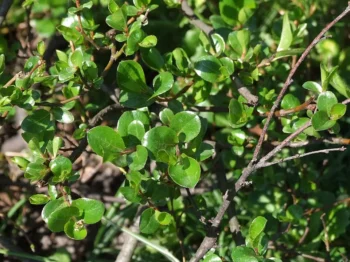
Graham’s Willow: A Mysterious Hybrid Worth Understanding
If you’ve stumbled across the name Graham’s willow (Salix ×grahamii) in your gardening research, you might be scratching your head wondering what exactly this plant is. Don’t worry – you’re not alone! This particular willow is something of an enigma in the gardening world, and there’s a good reason why information about it can be surprisingly scarce.
What Is Graham’s Willow?
Graham’s willow is a hybrid willow, as indicated by the × symbol in its scientific name Salix ×grahamii. This means it’s the result of cross-pollination between two different willow species, creating offspring that combines characteristics from both parent plants. Hybrid willows often occur naturally in the wild where different willow species grow in proximity, though some are also created through deliberate breeding programs.
The Challenge with Hybrid Identification
Here’s where things get tricky for us gardeners: hybrid willows can be notoriously difficult to identify and categorize. The limited available information about Salix ×grahamii’s specific characteristics, native range, and growing requirements reflects a broader challenge in willow taxonomy. Many willow hybrids share similar appearances and growing habits, making precise identification a job for botanists rather than casual gardeners.
What We Do Know About Willows in General
While we can’t provide specific details about Graham’s willow’s exact requirements, we can share what most willows have in common:
- They typically prefer moist to wet soil conditions
- Most thrive in full sun to partial shade
- They’re generally fast-growing plants
- Many provide early spring pollen for bees and other pollinators
- They often have attractive catkins (fuzzy flower clusters)
Should You Plant Graham’s Willow?
Given the uncertainty surrounding this specific hybrid’s characteristics and origin, we’d recommend taking a cautious approach. Without clear information about its growth habits, potential invasiveness, or specific care requirements, it’s difficult to make an informed planting decision.
Instead, consider these well-documented native willow alternatives that offer reliable performance and known benefits:
- Native willow species appropriate to your region
- Pussy willow (Salix discolor) for spring interest
- Black willow (Salix nigra) for wet areas
- Sandbar willow (Salix interior) for erosion control
The Bottom Line
While Graham’s willow might sound intriguing, the lack of readily available information about this hybrid makes it a risky choice for most gardeners. When in doubt, it’s always better to choose well-documented native plants that you can grow with confidence. Your local native plant society or extension office can help you identify the best willow species for your specific location and garden goals.
Remember, the most successful gardens are built on plants we understand – and sometimes the most mysterious plants are best left to the botanists to figure out!