Grain Sorghum: A Tall Annual Grass for Unique Garden Applications
Meet grain sorghum (Sorghum bicolor bicolor), a robust annual grass that might not be on every gardener’s radar, but certainly deserves consideration for specific landscape applications. While you’re more likely to see this towering grass swaying in agricultural fields, grain sorghum can bring vertical interest and wildlife value to the right garden setting.
What Exactly Is Grain Sorghum?
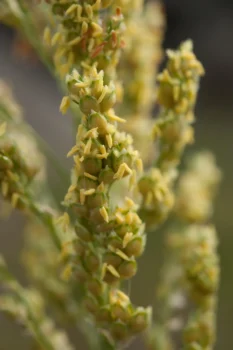
Grain sorghum is an annual grass that can reach impressive heights of up to 8 feet, making it quite the statement plant. With its coarse-textured green foliage and erect, bunching growth form, this grass creates dense summer screens that moderate to more open coverage in winter. The plant produces small, yellow flowers in late summer that aren’t particularly showy, but the brown seed heads that follow are quite conspicuous and add visual interest to the landscape.
This grass is known by many scientific names due to its long cultivation history, including synonyms like Sorghum vulgare and Holcus bicolor, reflecting its importance as a crop plant worldwide.
Where Does Grain Sorghum Grow?
Originally from Africa, grain sorghum is now a non-native species that has established itself across North America. You’ll find it growing in virtually every U.S. state, from Alabama to Wyoming, plus Hawaii, Puerto Rico, and the U.S. Virgin Islands. It’s also present in parts of Canada, including Ontario and Quebec.
- Species observed
- No observations
Garden Applications and Design Role
While grain sorghum isn’t your typical ornamental plant, it serves several useful purposes in the landscape:
- Creates quick, tall seasonal screens (growing rapidly to 8 feet)
- Provides textural contrast with its coarse foliage
- Works well in prairie-style or naturalistic plantings
- Suitable for demonstration or educational gardens
- Can serve as a backdrop for shorter plants
The plant’s rapid growth rate and substantial height make it particularly useful where you need quick privacy or want to create defined spaces within larger landscapes.
Wildlife and Ecological Benefits
Grain sorghum offers modest but meaningful wildlife value. Small mammals get a good portion (10-25%) of their diet from the seeds and occasionally use the plant for cover. Both water birds and terrestrial birds consume 5-10% of their diet from grain sorghum, though they use it infrequently for cover. Large animals utilize it less extensively, getting only 2-5% of their diet from the plant while using it sparsely for shelter.
Growing Conditions and Requirements
Grain sorghum is refreshingly adaptable to different soil types, thriving in coarse, medium, or fine-textured soils. Here are its key growing preferences:
- Sunlight: Full sun (shade intolerant)
- Soil pH: 5.5 to 7.5
- Drought tolerance: High once established
- Fertility needs: High (benefits from rich soil)
- Moisture: Medium water requirements
- Temperature: Needs at least 60 frost-free days, minimum temperature of 47°F
The plant handles drought well but has low tolerance for fire, flooding, and shade. It’s also moderately toxic and known to have allelopathic properties (can inhibit other plants’ growth), so consider placement carefully.
Planting and Care Tips
Growing grain sorghum is straightforward:
- Propagation: Grow from seed only (approximately 25,000 seeds per pound)
- Planting time: After soil warms in late spring/early summer
- Germination: Seeds have high vigor and don’t require cold stratification
- Spacing: Plant in clusters for best visual impact
- Maintenance: Minimal once established, but provide adequate nutrition for best growth
The plant is commercially available and considered a small grain crop, so sourcing seed shouldn’t be difficult.
Should You Plant Grain Sorghum?
Grain sorghum works well for gardeners seeking:
- Quick-growing annual screens
- Wildlife habitat (especially for seed-eating birds and small mammals)
- Low-maintenance plants for naturalistic areas
- Textural diversity in prairie or meadow gardens
However, since grain sorghum is non-native, consider pairing it with or substituting native alternatives like big bluestem (Andropogon gerardii), switchgrass (Panicum virgatum), or other native tall grasses that provide similar height and structure while supporting local ecosystems more completely.
While grain sorghum isn’t invasive, choosing native plants when possible helps support biodiversity and creates habitat that local wildlife have evolved alongside. That said, if grain sorghum’s specific characteristics meet your garden’s needs, it can be a valuable addition to the right landscape design.