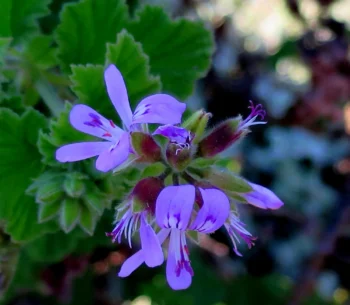
Grapeleaf Geranium: A Mediterranean Beauty for Drought-Tolerant Gardens
Looking for a charming perennial that can handle hot, dry conditions while delivering months of colorful blooms? Meet the grapeleaf geranium (Pelargonium vitifolium), a delightful South African native that’s found a happy home in California gardens. With its distinctive grape-shaped leaves and cheerful pink to purple flowers, this hardy little plant might just be the perfect addition to your water-wise landscape.
What Makes Grapeleaf Geranium Special
The grapeleaf geranium gets its common name from its uniquely lobed leaves that bear a striking resemblance to grape leaves. This perennial herb grows as a forb, meaning it’s a soft-stemmed plant without woody tissue—think of it as the opposite of a shrub or tree. The real showstopper, though, is its abundant flowering display that can last from spring through fall, painting your garden with lovely pink to purple blooms.
Where You’ll Find It Growing
Originally hailing from South Africa’s Cape region, Pelargonium vitifolium has established itself as a naturalized resident of California. This non-native species has proven quite adaptable, reproducing on its own in the wild and persisting without human intervention throughout the Golden State.
- Species observed
- No observations
Garden Design and Landscape Uses
The grapeleaf geranium shines in several garden settings:
- Mediterranean gardens: Its drought tolerance and sunny disposition make it a natural fit
- Rock gardens: Thrives in well-draining, rocky conditions
- Container plantings: Perfect for pots and planters on patios or balconies
- Ground cover: Spreads nicely to fill in bare spots
- Border plantings: Adds color and texture to garden edges
Growing Conditions and Care
One of the best things about grapeleaf geranium is how easy-going it is. Here’s what it needs to thrive:
USDA Hardiness Zones: 9-11 (perfect for most of California and other warm regions)
Sunlight: Full sun to partial shade—it’s quite flexible!
Soil: Well-draining soil is absolutely essential. This plant despises soggy feet, so avoid heavy clay or areas where water tends to pool.
Water: Drought tolerant once established, though it appreciates occasional deep watering during hot spells
Planting and Care Tips
- Plant spacing: Give each plant about 12-18 inches of space to spread
- Deadheading: Remove spent flowers to encourage continued blooming
- Light pruning: Trim back leggy growth to maintain shape
- Frost protection: In cooler areas of its range, provide protection during cold snaps
- Container growing: Use well-draining potting mix and ensure pots have drainage holes
Benefits for Pollinators and Wildlife
Your local bees and butterflies will thank you for planting grapeleaf geranium! The flowers provide valuable nectar throughout their long blooming season, making this plant a pollinator-friendly choice for eco-conscious gardeners.
Should You Plant It?
While grapeleaf geranium isn’t native to North American ecosystems, it’s not considered invasive or problematic either. It’s a well-behaved garden resident that offers reliable beauty and pollinator benefits. However, if you’re focusing on native plant gardening, consider these California native alternatives that offer similar drought tolerance and charm:
- California fuchsia (Epilobium canum)
- Island snapdragon (Gambelia speciosa)
- Foothill penstemon (Penstemon heterophyllus)
The Bottom Line
Grapeleaf geranium is a delightful choice for gardeners seeking a low-maintenance, drought-tolerant perennial with months of colorful blooms. Whether you’re creating a Mediterranean-inspired landscape, filling containers, or adding reliable color to a rock garden, this adaptable plant delivers beauty without fuss. Just remember to provide good drainage, and you’ll be rewarded with years of grape-leafed goodness!