Grass-Like Starwort: A Delicate Ground Cover with European Roots
If you’ve ever wondered about those tiny white star-shaped flowers dotting meadows and roadsides, you might be looking at grass-like starwort (Stellaria graminea). This unassuming perennial forb has quietly made itself at home across North America, though it originally hails from much farther away.
What Is Grass-Like Starwort?
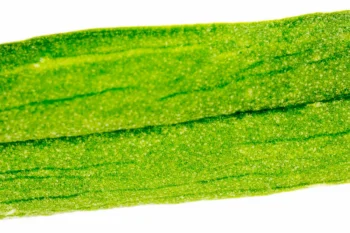
Grass-like starwort, scientifically known as Stellaria graminea, is a low-growing perennial that belongs to the carnation family. Don’t let its delicate appearance fool you – this little plant is tougher than it looks. Its common name perfectly describes its narrow, grass-like leaves that create a fine-textured mat, punctuated by clusters of small white flowers that truly resemble tiny stars.
You might also encounter this plant listed under its scientific synonyms Alsine graminea or Stellaria graminea var. latifolia in older gardening references.
Native Status and Where It Grows
Here’s where things get interesting: grass-like starwort isn’t actually native to North America. This European and Asian native has become a naturalized citizen, establishing itself across an impressive range of locations. It now grows wild throughout Canada and the continental United States, from British Columbia to Newfoundland and from California to Maine.
The plant has found a home in nearly every U.S. state and Canadian province, thriving in USDA hardiness zones 3 through 8. It’s particularly well-established in the northeastern and northwestern regions of North America.
- Species observed
- No observations
Appearance and Growth Habits
Grass-like starwort forms spreading mats of slender, opposite leaves that can easily be mistaken for grass from a distance. The real show begins when it blooms, typically from late spring through summer. Each flower features five pristine white petals that are so deeply notched they almost appear to be ten petals, creating that distinctive star shape that gives the plant its name.
As a forb (a non-woody flowering plant), it lacks any significant woody tissue and overwinters with buds at or below ground level. The plant typically reaches 6 to 18 inches in height with a spreading habit that can cover considerable ground over time.
Should You Plant Grass-Like Starwort?
This question deserves a thoughtful answer. While grass-like starwort isn’t currently listed as invasive or noxious, its non-native status means it doesn’t provide the same ecological benefits as native plants. However, it does offer some garden value:
Potential Benefits
- Excellent ground cover for naturalized areas
- Attractive to small pollinators like flies and tiny bees
- Very low maintenance once established
- Tolerates poor soils and varying moisture conditions
- Creates a delicate, cottage garden aesthetic
Potential Drawbacks
- Can spread aggressively and become weedy
- May outcompete native species
- Not suitable for formal garden settings
- Limited wildlife value compared to native alternatives
Growing Conditions and Care
If you decide to grow grass-like starwort, you’ll find it remarkably adaptable. The plant shows different wetland preferences depending on your region – it’s more drought-tolerant in the Midwest and Northeast (where it’s classified as upland) but can handle more moisture in western and southern regions.
Preferred conditions include:
- Full sun to partial shade
- Moist to moderately dry, well-draining soil
- Average to poor soil fertility (it’s not fussy!)
- Cool to moderate temperatures
Planting and Maintenance Tips
Grass-like starwort is one of those plant it and forget it species. It readily self-seeds and can spread both by seed and creeping stems. Here are some key care points:
- Space plants 12-18 inches apart if planting intentionally
- Water regularly during establishment, then reduce as the plant is quite drought-tolerant
- No fertilization needed – it actually prefers lean soils
- Deadhead flowers if you want to prevent aggressive self-seeding
- Divide clumps every few years to control spread
Best Garden Applications
Grass-like starwort works well in:
- Naturalized meadow gardens
- Cottage-style landscapes
- Areas where you want low-maintenance ground cover
- Transitional spaces between cultivated and wild areas
Native Alternatives to Consider
If you’re drawn to the delicate white flowers and ground-covering habit of grass-like starwort, consider these native alternatives that provide similar aesthetic appeal with greater ecological benefits:
- Wild strawberry (Fragaria species) – white flowers, spreading habit, edible fruit
- Wintergreen (Gaultheria procumbens) – white flowers, evergreen ground cover
- Canada anemone (Anemone canadensis) – white flowers, naturalized areas
- Native asters and goldenrods for meadow plantings
The Bottom Line
Grass-like starwort is a plant that sits in the middle ground – not native, but not aggressively invasive either. It can serve a purpose in informal gardens where you want easy-care ground cover with delicate charm. However, if you’re committed to supporting local ecosystems and native wildlife, you’ll find better options among our continent’s indigenous plants.
Whatever you decide, remember that responsible gardening means being mindful of what we plant and how it might affect the broader landscape. Sometimes the most beautiful gardens are those that celebrate the unique character of their own place in the world.