Gray Chickweed: A Humble Ground Cover Worth Considering
If you’re looking for a low-maintenance ground cover that doesn’t mind being ignored, gray chickweed (Cerastium brachypetalum) might just be your new gardening buddy. This unassuming little annual has been quietly making itself at home in American gardens and wild spaces, offering delicate white blooms when many other plants are still waking up from winter.
What is Gray Chickweed?
Gray chickweed is a small annual forb – basically a non-woody plant that completes its entire life cycle in one growing season. Originally from Europe and western Asia, this adaptable little plant has established itself across much of the United States, proving that sometimes the most successful plants are the ones that don’t ask for much.
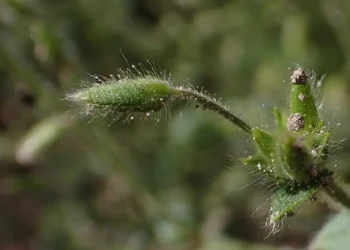
The plant gets its name from its distinctive gray-green, fuzzy foliage that has a soft, almost velvety appearance. It’s a member of the carnation family, though you’d be forgiven for not seeing the family resemblance at first glance!
Where Does It Grow?
This adaptable annual has made itself comfortable in 17 states across the country, including Arkansas, Illinois, Indiana, Kansas, Kentucky, Mississippi, Missouri, New York, North Carolina, Ohio, Oklahoma, Oregon, South Carolina, Tennessee, Texas, Virginia, and West Virginia. It’s particularly fond of disturbed soils and areas where other plants might struggle to establish themselves.
- Species observed
- No observations
Why Consider Gray Chickweed in Your Garden?
While gray chickweed isn’t native to North America, it does offer some practical benefits for gardeners:
- Early blooms: Its small white flowers appear in early spring, providing nectar when few other plants are blooming
- Low maintenance: Once established, it requires minimal care and can handle neglect like a champion
- Gap filler: Perfect for filling bare spots in rock gardens or naturalized areas
- Drought tolerant: Handles dry conditions well once established
- Pollinator support: Early flowers provide food for small bees and other beneficial insects
Appearance and Growth
Gray chickweed stays relatively small, typically reaching 6-12 inches in height and spreading to form loose mats. The flowers are tiny white stars with five deeply notched petals that almost look like they’ve been cut with pinking shears. Each bloom is only about 1/4 inch across, but they appear in clusters that create a charming, delicate effect.
The real star of the show might be the foliage – those soft, gray-green leaves covered in fine hairs that give the plant its distinctive appearance and help it conserve moisture.
Growing Conditions and Care
One of gray chickweed’s best qualities is its easygoing nature. Here’s what it prefers:
- Sunlight: Full sun to partial shade
- Soil: Well-drained soils, tolerates poor and rocky conditions
- Water: Moderate moisture, drought tolerant once established
- USDA Zones: Hardy in zones 3-9
This plant thrives in conditions that would stress many garden favorites. Poor, rocky soil? No problem. Occasional drought? It can handle it. Disturbed ground where nothing else wants to grow? Perfect!
Planting and Propagation
Gray chickweed is remarkably self-sufficient. If you decide to grow it, you can:
- Direct sow seeds in fall or early spring
- Allow existing plants to self-seed (which they do readily)
- Transplant seedlings that pop up naturally
Fair warning: this plant is an enthusiastic self-seeder, so you might find it appearing in unexpected places around your garden. Many gardeners actually appreciate this trait for filling in bare spots naturally.
A Word About Native Alternatives
While gray chickweed can be a useful garden plant, consider exploring native alternatives that provide similar benefits while supporting local ecosystems. Some excellent native ground covers include:
- Wild ginger (Asarum canadense) for shaded areas
- Creeping phlox (Phlox subulata) for sunny slopes
- Wild strawberry (Fragaria virginiana) for edible ground cover
- Native sedges for various moisture conditions
The Bottom Line
Gray chickweed won’t win any beauty contests, but it’s the garden equivalent of a reliable friend – always there when you need it, never demanding attention, and quietly doing its job. If you’re looking for a low-maintenance plant to fill difficult spots or provide early season interest, it’s worth considering. Just remember to keep an eye on its enthusiastic self-seeding habits, and consider pairing it with native plants to create a balanced garden ecosystem.
Sometimes the most humble plants make the biggest difference in creating a garden that works with nature rather than against it. Gray chickweed might just be one of those quiet garden heroes.