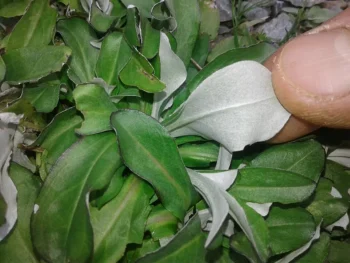
Gray Everlasting: A Humble Native Wildflower Worth Knowing
If you’re looking for a low-maintenance native plant that quietly supports local wildlife, gray everlasting (Gamochaeta coarctata) might just be the unsung hero your garden needs. This modest little wildflower won’t win any beauty contests, but what it lacks in showiness, it more than makes up for in ecological value and sheer determination to thrive.
What Is Gray Everlasting?
Gray everlasting is a native annual or biennial forb that belongs to the sunflower family. Don’t let the everlasting name fool you—individual plants may only live one or two years, but they’re excellent at ensuring the next generation through prolific self-seeding. The plant gets its common name from its silvery-gray, woolly foliage that has an almost felt-like texture.
You might also encounter this plant under its former scientific names, including Gamochaeta spicata or Gnaphalium spicatum, so don’t be confused if you see these synonyms in older gardening references.
Where Gray Everlasting Grows
This hardy native calls the southeastern United States home, with populations scattered across Alabama, Arkansas, California, Florida, Georgia, Louisiana, Mississippi, North Carolina, South Carolina, Texas, and Virginia. It’s particularly well-adapted to the warm, humid conditions of the Southeast, though it can surprise you by popping up in unexpected places.
- Species observed
- No observations
Why You Might Want Gray Everlasting
Gray everlasting isn’t going to be the star of your garden, but here’s why you might want to give it a chance:
- Native wildlife magnet: Small native bees, beneficial insects, and other pollinators appreciate its tiny flowers
- Zero-maintenance groundcover: Once established, it pretty much takes care of itself
- Drought tolerance: Perfect for water-wise landscaping
- Natural meadow look: Ideal for wildflower gardens and naturalized areas
- Self-sustaining: Seeds itself reliably for continuous coverage
The Reality Check
Before you rush out to plant gray everlasting everywhere, here are some things to consider:
- Not a show-stopper: The flowers are small, whitish, and clustered in narrow spikes—definitely subtle
- Can be weedy: Its self-seeding enthusiasm might be too much for formal gardens
- Low and sprawling: It tends to form mats rather than upright clumps
Growing Gray Everlasting Successfully
The good news is that gray everlasting is almost foolproof to grow if you’re in USDA hardiness zones 7-10. Here’s what it needs:
Growing Conditions
- Sunlight: Full sun to partial shade (more tolerant than many natives)
- Soil: Well-draining soil; not picky about soil type
- Water: Drought tolerant once established; avoid overwatering
- Space: Allow room for it to spread naturally
Planting and Care Tips
Gray everlasting is refreshingly low-maintenance:
- Seeds: Direct sow seeds in fall or early spring; they need light to germinate, so barely cover them
- Watering: Water gently until established, then let nature take over
- Fertilizing: Skip it—this plant prefers lean conditions
- Pruning: Leave seed heads if you want self-seeding; remove them if you want to control spread
Best Uses in the Garden
Gray everlasting shines in these garden settings:
- Wildlife and pollinator gardens
- Natural meadow plantings
- Xeriscaping and drought-tolerant landscapes
- Groundcover in informal areas
- Native plant restoration projects
The Bottom Line
Gray everlasting won’t make your neighbors stop and stare, but it will quietly support your local ecosystem while requiring virtually no care from you. If you’re creating a low-maintenance native garden or want to add some ecological value to naturalized areas, this humble little plant deserves consideration. Just be prepared for it to make itself at home—sometimes in places you didn’t expect!
Remember, the best gardens aren’t always the most Instagram-worthy ones. Sometimes the most valuable plants are those that work behind the scenes, supporting the web of life that makes our outdoor spaces truly alive.