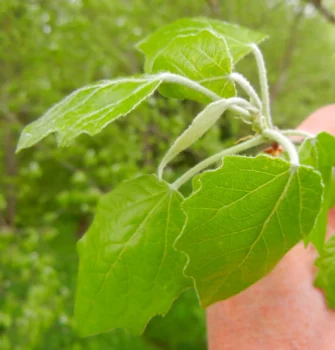
Gray Poplar: A Fast-Growing Shade Tree for Large Landscapes
If you’re looking for a tree that grows faster than your neighbor’s gossip spreads, meet the gray poplar (Populus ×canescens). This deciduous giant might just be the solution for those bare spots in your landscape that need filling—and fast. But before you rush to the nursery, let’s dig into whether this speedy grower is right for your garden.
What Is Gray Poplar?
Gray poplar is a hybrid tree that’s the result of nature’s own matchmaking between two European poplar species. As a perennial woody plant, it typically grows as a single-trunked tree reaching heights greater than 13-16 feet, though it can grow much taller under the right conditions. You might also see it listed under its botanical synonyms Populus alba var. canescens or Populus hybrida in some references.
Where Does Gray Poplar Grow?
Originally from Europe, gray poplar has made itself quite at home across North America. This non-native species has naturalized and now grows wild across an impressive range, from the Canadian provinces of New Brunswick, Ontario, and Quebec, down through most of the eastern and central United States. You’ll find established populations in states from Maine to Florida and as far west as Minnesota and Louisiana.
- Species observed
- No observations
The Good, The Bad, and The Poplar
Gray poplar comes with its fair share of pros and cons that every gardener should consider:
The appealing aspects:
- Lightning-fast growth rate perfect for quick shade or screening
- Attractive foliage that shimmers in the breeze—leaves are gray-green on top with whitish undersides
- Extremely hardy, thriving in USDA zones 3-9
- Adaptable to various soil conditions
- Excellent for windbreaks and erosion control
The challenging aspects:
- Can become quite large, making it unsuitable for small residential lots
- Tends to produce suckers, potentially creating unwanted new trees
- Fast growth often means weaker wood and shorter lifespan
- As a non-native species, it doesn’t provide the same wildlife benefits as native alternatives
Growing Gray Poplar Successfully
If you’ve decided gray poplar fits your landscape needs, here’s how to help it thrive:
Site Selection: Choose a location with full sun and plenty of space—these trees need room to spread. They’re adaptable to various soil types but prefer moist, well-drained conditions.
Planting Tips: Plant in early spring or fall when temperatures are moderate. Dig a hole twice as wide as the root ball but no deeper, and water thoroughly after planting.
Ongoing Care: Gray poplars are relatively low-maintenance once established. Regular watering during the first year helps establish a strong root system. Keep an eye out for suckers and remove them promptly if you want to prevent spreading.
Is Gray Poplar Right for Your Garden?
Gray poplar works best in large landscapes, parks, or rural properties where its size and spreading habit won’t become problematic. It’s particularly useful for creating quick windbreaks or providing fast shade in open areas. However, if you’re working with a typical suburban lot, you might want to look elsewhere.
Since gray poplar is non-native, consider exploring native alternatives that provide similar benefits while supporting local wildlife. Fast-growing native options might include American sycamore, tulip poplar, or various native willow species, depending on your region and specific growing conditions.
The bottom line? Gray poplar can be a valuable addition to the right landscape, but make sure you have the space and understand its growth habits before planting. When given room to grow, it’s a reliable performer that delivers on its promise of quick results.