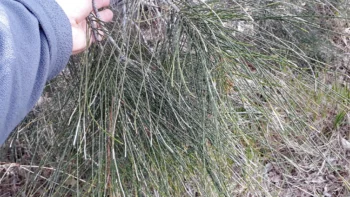
Gray Sheoak: A Fast-Growing Tree for Coastal and Challenging Landscapes
Meet the gray sheoak (Casuarina glauca), a distinctive tree that’s been making waves in American gardens, particularly in warmer coastal regions. Also known as longleaf ironwood, this perennial tree brings a unique aesthetic to landscapes with its needle-like foliage and rapid growth habit. But before you rush to plant one, let’s dive into what makes this Australian native tick and whether it’s right for your garden.
Where You’ll Find Gray Sheoak
Originally hailing from eastern Australia’s coastal regions, gray sheoak has established itself as a non-native species in several U.S. locations. You’ll currently find it growing in Florida, Hawaii, Guam, and various U.S. Minor Outlying Islands, where it reproduces naturally without human intervention.
- Species observed
- No observations
This tree thrives in USDA hardiness zones 9-11, tolerating temperatures down to about 17°F, making it suitable for consistently warm climates with minimal frost exposure.
What Does Gray Sheoak Look Like?
Don’t let the name fool you – those needles aren’t actually leaves! Gray sheoak’s distinctive appearance comes from its modified stems that look remarkably like pine needles. This fine-textured, dense foliage stays green year-round and creates an interesting weeping, erect growth form that can reach impressive heights.
Here’s what to expect size-wise:
- Mature height: Up to 60 feet
- 20-year height: Around 40 feet
- Growth rate: Rapid (this tree doesn’t mess around!)
- Form: Single-stemmed tree with dense, fine foliage
The flowers are small and red but not particularly showy, blooming in mid-spring. The brown seeds that follow aren’t conspicuous either, but they’re produced in abundance from summer through fall.
Where Gray Sheoak Shines in Your Landscape
This fast-growing tree excels in several landscape roles:
- Windbreaks: Its dense foliage and rapid growth make it excellent for blocking wind
- Erosion control: Particularly valuable on slopes and coastal areas
- Screening: Creates privacy quickly due to its fast growth
- Coastal plantings: Exceptional salt tolerance makes it perfect for seaside gardens
- Industrial landscapes: Tough enough for challenging urban environments
Growing Conditions: What Gray Sheoak Needs
One of gray sheoak’s biggest selling points is its adaptability to challenging conditions. Here’s what it prefers:
Soil requirements:
- Handles coarse and medium-textured soils well
- Avoid heavy, fine-textured soils
- pH range: 6.5-7.5
- Low fertility requirements (not picky about rich soil)
Environmental conditions:
- Full sun (shade intolerant)
- High salt tolerance
- Medium moisture needs once established
- Requires at least 280 frost-free days per year
- Annual precipitation: 25-60 inches
In terms of wetland preferences, gray sheoak is quite flexible – it can handle both wetland and upland conditions, though it typically prefers non-wetland sites in Hawaii.
Planting and Care Tips
The good news? Gray sheoak is relatively low-maintenance once established. Here’s how to set it up for success:
Planting:
- Available as container plants, bare root, or grown from seed
- Plant density: 300-700 trees per acre for larger plantings
- Seeds are tiny (400,000 per pound!) with high germination vigor
Ongoing care:
- Drought tolerance is low initially, so water regularly until established
- No fire tolerance, so avoid areas prone to wildfires
- Can be coppiced (cut back to encourage new growth)
- Relatively short lifespan compared to other trees
- Minimal root depth requirement (24 inches minimum)
Wildlife and Pollinator Considerations
Gray sheoak is wind-pollinated, so it won’t be a major draw for bees and butterflies. Unfortunately, specific information about its wildlife benefits isn’t well documented, which is something to consider if supporting local wildlife is a priority for your garden.
Should You Plant Gray Sheoak?
Gray sheoak can be a valuable addition to the right landscape, particularly if you’re dealing with:
- Coastal conditions with salt spray
- Fast-growing windbreak needs
- Erosion control projects
- Challenging soil conditions
However, since it’s not native to the U.S., consider exploring native alternatives that might provide similar benefits while supporting local ecosystems. For coastal areas, native options like Eastern Red Cedar (in appropriate zones) or native pines might offer comparable windbreak and screening functions.
If you do choose gray sheoak, it’s readily available commercially and relatively straightforward to grow. Just remember that while its invasive status isn’t well-documented, any non-native species should be planted thoughtfully and monitored to ensure it doesn’t spread beyond your intended planting area.
Whether gray sheoak finds a home in your landscape depends on your specific needs, location, and gardening philosophy. For the right situation, it’s a tough, fast-growing option that can tackle challenging conditions with aplomb.