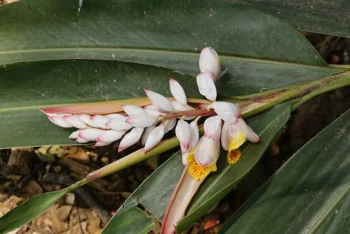
Greater Galangal: A Spicy Addition to Your Tropical Garden
If you’ve ever wandered through a Southeast Asian market and caught a whiff of that distinctive spicy-sweet aroma, you’ve likely encountered greater galangal (Alpinia galanga). This stunning tropical plant isn’t just a culinary superstar – it’s also a showstopper in the garden that can transform your outdoor space into a lush, exotic paradise.
What Exactly is Greater Galangal?
Greater galangal goes by the scientific name Alpinia galanga, though you might also see it listed under its synonym Languas galanga. This impressive plant belongs to the ginger family and hails from the warm, humid regions of Southeast Asia, including Indonesia, Thailand, Malaysia, and Myanmar. While it’s not native to North America, it has won over gardeners worldwide with its dramatic presence and practical uses.
Why Your Garden (Might) Want This Tropical Beauty
Let’s be honest – greater galangal isn’t for everyone. But if you’re looking to add some serious tropical flair to your space, this plant delivers in spades. Here’s what makes it special:
- Stunning architectural presence with large, lance-shaped leaves
- Fragrant white flowers adorned with delicate pink markings
- Edible rhizomes that pack a flavorful punch in cooking
- Attracts butterflies and other beneficial pollinators
- Creates an instant vacation in your backyard vibe
The catch? This tropical native needs warmth and humidity to truly thrive, making it best suited for USDA hardiness zones 9-11. But don’t let that stop you if you live in cooler climates – greater galangal makes an excellent container plant that can winter indoors.
Where Does Greater Galangal Shine?
This plant is a natural fit for:
- Tropical and subtropical garden designs
- Culinary herb gardens (hello, homemade Thai curry!)
- Container gardens on patios or decks
- Greenhouse collections
- As a dramatic specimen plant in protected courtyards
In the landscape, greater galangal works beautifully as a backdrop for smaller tropical plants or as a focal point in a sheltered garden bed.
Growing Your Own Galangal Paradise
Ready to give greater galangal a try? Here’s your roadmap to success:
Getting Started: Plant rhizomes in spring when soil temperatures are consistently warm. Choose a spot with partial shade – too much direct sun can scorch those gorgeous leaves.
Soil Secrets: Rich, well-draining soil is key. Think jungle floor – moist but never waterlogged. Adding compost or aged manure will keep your galangal happy.
Water Wisdom: Consistent moisture is crucial, but avoid soggy soil. During the growing season, keep the soil evenly moist and consider mulching to retain humidity.
Feeding Schedule: A monthly dose of balanced fertilizer during the growing season will keep your plant producing those lush leaves and eventual flowers.
Climate Considerations: In zones 9-11, you can grow galangal year-round outdoors. In cooler areas, treat it as an annual or bring containers indoors when temperatures drop below 50°F.
A Word About Responsibility
While greater galangal isn’t considered invasive in North America, it’s always wise to be a responsible gardener. If you’re looking for native alternatives that provide similar tropical appeal, consider exploring native gingers or other indigenous plants that naturally thrive in your region.
The Bottom Line
Greater galangal offers gardeners a unique opportunity to grow something both beautiful and useful. Whether you’re drawn to its striking appearance, its culinary potential, or its ability to attract pollinators, this Southeast Asian native can be a rewarding addition to the right garden. Just remember – it’s all about providing that warm, humid environment it craves.
If you’ve got the right conditions (or a sunny windowsill for winter protection), why not give this spicy beauty a chance? Your taste buds – and your garden visitors – might thank you for it.