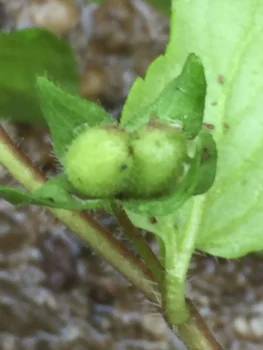
Green Field Speedwell: A Small but Mighty Ground Cover
If you’re looking for a low-maintenance ground cover that doesn’t demand much attention, green field speedwell (Veronica agrestis) might catch your eye. This tiny annual has been quietly making itself at home across North America, though it originally hails from much farther away.
What is Green Field Speedwell?
Green field speedwell is a small annual forb—basically a non-woody plant that completes its entire life cycle in one growing season. Don’t let its modest size fool you; this little plant has some interesting characteristics that make it worth knowing about, whether you encounter it in your garden or are considering adding it to your landscape.
You might also see it referenced by its botanical synonym, Pocilla agrestis, though Veronica agrestis is the accepted scientific name.
Native Status and Where You’ll Find It
Here’s where things get interesting: green field speedwell isn’t actually native to North America. This European and western Asian native has established itself across a remarkably wide range of the continent, from coast to coast and border to border. You can find it growing wild in states from Alabama to Alberta, from Maine to Texas, and just about everywhere in between.
- Species observed
- No observations
The plant has proven quite adaptable to North American conditions, reproducing on its own and persisting without human intervention across diverse climates and regions.
What Does It Look Like?
Green field speedwell is a charming little plant that forms low-growing mats. Its most distinctive features include small, heart-shaped leaves and tiny blue flowers that measure just 4-8mm across. The flowers are delicate and appear in spring, creating a subtle carpet of blue when the plant is in bloom.
As an annual, it grows, flowers, sets seed, and completes its life cycle within one growing season, typically reaching just a few inches in height but spreading to form modest patches.
Garden Role and Landscape Uses
In garden settings, green field speedwell works well as:
- Ground cover in informal or naturalized areas
- Addition to wildflower meadow mixes
- Rock garden specimen for small spaces
- Filler plant in casual cottage-style gardens
Its low-maintenance nature makes it suitable for gardeners who prefer a more hands-off approach to landscaping.
Growing Conditions and Care
One of green field speedwell’s best qualities is its adaptability. It thrives in USDA hardiness zones 3-9, tolerating both full sun and partial shade conditions. The plant isn’t picky about soil quality and actually performs well in poor soils, as long as drainage is adequate.
Care requirements are minimal:
- Water occasionally during dry spells, though it’s quite drought-tolerant once established
- No fertilization needed—it actually prefers lean soils
- Allow it to self-seed if you want it to return next year
- Can be direct seeded in fall or early spring
Pollinator and Wildlife Benefits
While small, the flowers of green field speedwell do provide nectar for tiny pollinators, including small bees, flies, and other beneficial insects. Every little bit counts when it comes to supporting our pollinator populations!
Should You Plant It?
Green field speedwell occupies an interesting middle ground. It’s not native, but it’s also not considered invasive or problematic. If you’re drawn to its modest charm and low-maintenance nature, it can certainly have a place in casual, naturalized garden settings.
However, if you’re committed to native gardening, consider these native alternatives that offer similar benefits:
- American speedwell (Veronica americana) for wetter areas
- Thyme-leaved speedwell (Veronica serpyllifolia) for similar growth habits
- Various native violets for small blue flowers and ground cover
The Bottom Line
Green field speedwell is a quiet, unassuming little plant that asks for very little while providing modest beauty and pollinator support. Whether you choose to welcome it into your garden or prefer to stick with native alternatives, understanding this common species helps you make informed decisions about your landscape. Sometimes the smallest plants teach us the most about adaptability and persistence in the garden!