Green Wattle: A Fast-Growing Golden Beauty for Warm Climate Gardens
If you’re looking for a tree that puts on a spectacular golden show just when you need it most – during the dreary winter months – then green wattle might catch your eye. This Australian native has found its way into California gardens, where it brings a burst of sunshine-yellow blooms and feathery foliage that dances in the breeze.
What Is Green Wattle?
Green wattle (Acacia decurrens) is a fast-growing perennial tree that typically reaches 13-16 feet or taller, though it can sometimes develop multiple stems under certain conditions. Originally from southeastern Australia, this member of the legume family has established itself in California, where it reproduces on its own in the wild.
You might also see this plant listed under its scientific synonym, Mimosa decurrens, though it’s not related to the sensitive plant we commonly call mimosa.
Where Does Green Wattle Grow?
In the United States, green wattle has naturalized in California, where the Mediterranean climate suits its preferences perfectly. As a non-native species that’s found its footing in the Golden State, it’s adapted well to the local growing conditions.
- Species observed
- No observations
Why Consider Green Wattle for Your Garden?
Green wattle offers several appealing qualities that make it worth considering:
- Winter blooms: Clusters of fragrant, bright yellow, fluffy ball-shaped flowers appear in winter and early spring when most other plants are dormant
- Fast growth: Provides quick shade and screening, perfect for impatient gardeners
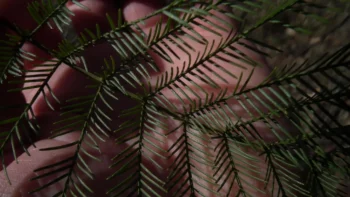
- Attractive foliage: Delicate, feathery bipinnate leaves create a soft, silvery-green texture
- Pollinator magnet: The nectar-rich flowers attract bees, butterflies, and other beneficial insects
- Drought tolerance: Once established, it can handle dry conditions well
Garden Design Ideas
Green wattle works beautifully in several landscape situations:
- As a specimen tree in Mediterranean-style gardens
- For quick windbreaks or privacy screens
- On slopes for erosion control
- In drought-tolerant landscapes
- As part of informal, naturalistic plantings
Growing Conditions and Care
Green wattle thrives in USDA hardiness zones 9-11, making it suitable for warm, frost-free areas. Here’s what this tree needs to flourish:
- Sunlight: Full sun exposure for best flowering and growth
- Soil: Well-draining soil is essential; it actually prefers poor to moderately fertile soil
- Water: Drought tolerant once established, but needs regular water during its first year
- Climate: Best suited to areas with mild, wet winters and dry summers
Planting and Care Tips
Getting your green wattle off to a good start is straightforward:
- Plant in spring after the last frost
- Water regularly during the establishment period (first year)
- Prune lightly after flowering to maintain shape
- Expect a relatively short lifespan of 15-20 years
- Avoid overwatering mature trees, as they prefer drier conditions
Things to Consider
While green wattle has its charms, there are a few things to keep in mind. As a non-native species that can reproduce on its own, it’s worth considering native alternatives that provide similar benefits while supporting local ecosystems. California native options like California flannel bush (Fremontodendron californicum) or palo verde species can offer drought tolerance and attractive blooms while being perfectly suited to local wildlife.
Additionally, green wattle’s relatively short lifespan means you’ll likely need to plan for replacement trees sooner than you might with longer-lived species.
The Bottom Line
Green wattle can be a lovely addition to warm-climate gardens, especially if you’re drawn to its winter blooms and fast growth. Just remember that choosing native plants when possible helps support local wildlife and maintains the ecological balance that makes California’s landscapes so special. Whether you choose green wattle or explore native alternatives, you’ll be adding beauty and interest to your garden space.