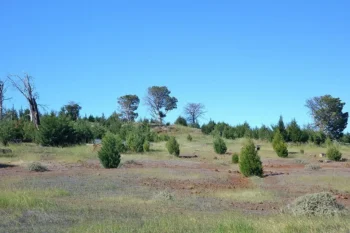
Guadalupe Cypress: A Rare Island Beauty for Your Garden
Meet the Guadalupe cypress (Hesperocyparis guadalupensis), a stunning evergreen that brings a touch of island mystique to your landscape. This distinctive conifer might not be a household name, but it’s got character that can transform the right garden space into something truly special.
What Makes Guadalupe Cypress Special?
The Guadalupe cypress is like that interesting friend who has amazing stories from far-off places. This evergreen tree boasts beautiful blue-green to gray-green foliage that catches the light just right, creating an almost silvery shimmer. Its naturally conical to columnar shape gives it an elegant, architectural presence that works beautifully as a specimen tree or focal point.
You might also see this tree listed under its former scientific names, including Cupressus guadalupensis or Callitropsis guadalupensis, so don’t be confused if you encounter these synonyms in plant catalogs.
Where Does It Come From?
Here’s where things get interesting – and a bit concerning. The Guadalupe cypress is endemic to Guadalupe Island, a small volcanic island off the coast of Baja California, Mexico. This tree literally exists nowhere else in the wild, making it quite the botanical treasure.
Should You Plant a Guadalupe Cypress?
This is where we need to have an honest conversation. While the Guadalupe cypress is undeniably beautiful and well-behaved in cultivation, it’s not native to most regions where it’s grown. If you’re passionate about supporting local ecosystems, you might want to consider native conifers first.
That said, this tree isn’t invasive or problematic – it’s more like a well-mannered house guest. It stays where you plant it and doesn’t cause trouble. However, since it’s rare in the wild, if you do decide to plant one, make sure you’re purchasing from a reputable source that propagates responsibly rather than collecting from wild populations.
Perfect Growing Conditions
The good news? Guadalupe cypress is surprisingly easy-going once you understand its needs. Think Mediterranean vibes:
- Climate: USDA zones 9-11 (it likes it warm)
- Sunlight: Full sun is best
- Soil: Well-draining is absolutely crucial – soggy feet will kill this tree
- Water: Drought-tolerant once established, but needs regular water when young
- Wind: Protect young trees from strong winds
Design Ideas and Garden Roles
This cypress shines in Mediterranean-style landscapes, drought-tolerant gardens, and coastal settings. Its columnar form makes it excellent for:
- Creating living screens or windbreaks
- Anchoring corner plantings
- Adding year-round structure to mixed borders
- Complementing other drought-tolerant plants like lavender and rosemary
Planting and Care Tips
Getting your Guadalupe cypress off to a good start is pretty straightforward:
Planting: Choose a spot with excellent drainage – if water pools after rain, pick somewhere else. Dig a hole twice as wide as the root ball but no deeper. Backfill with native soil (no need for amendments if drainage is good).
Watering: Water regularly the first year to establish roots, then gradually reduce. Mature trees can handle significant drought.
Fertilizing: Generally unnecessary in most soils. If growth seems slow, a light application of balanced fertilizer in spring can help.
Pruning: Minimal pruning needed. Remove any dead or damaged branches, but avoid heavy pruning as it doesn’t recover well.
Wildlife and Ecosystem Value
As a wind-pollinated conifer, Guadalupe cypress doesn’t offer much direct benefit to pollinators like bees and butterflies. However, it can provide nesting sites for birds and shelter for small wildlife, especially in areas where similar native conifers might struggle with drought conditions.
The Bottom Line
Guadalupe cypress is a beautiful, well-behaved tree that can add unique character to the right garden. While it’s not going to single-handedly support your local ecosystem like a native oak might, it won’t cause problems either. If you love its look and can provide the right growing conditions, it can be a wonderful addition to a drought-tolerant landscape.
Just remember to source responsibly and consider native alternatives first – your local ecosystem will thank you for it. And who knows? You might discover an equally beautiful native conifer that’s perfectly adapted to your specific region.