Guar: The Versatile Bean You’ve Probably Never Grown (But Maybe Should Try)
Ever heard of guar? Unless you’re really into reading ingredient labels or have a background in agriculture, you might be scratching your head right now. But here’s the thing – this unassuming annual legume, scientifically known as Cyamopsis tetragonoloba, is hiding in plain sight in everything from ice cream to shampoo. And while it might not be the showiest plant in your garden, guar has some surprisingly useful qualities that might just earn it a spot in your vegetable patch.
What Exactly Is Guar?
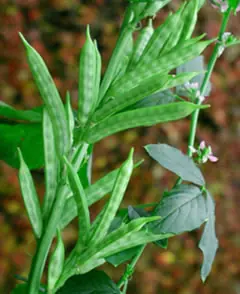
Guar goes by several names – you might see it called cluster-bean, Calcutta-lucerne, or Siam-bean. It’s an annual legume that originally hails from the Indian subcontinent, where it’s been cultivated for centuries both as food and for its incredibly useful seeds. The plant produces small white to purple flowers arranged in clusters (hence one of its common names), followed by distinctive bean pods that contain the seeds used to make guar gum.
Where Does Guar Come From?
This isn’t a native North American plant – guar’s natural home is in India and Pakistan, where it thrives in hot, dry conditions. It’s been cultivated there for thousands of years, both as a vegetable (the young pods are edible) and as an industrial crop.
Should You Grow Guar in Your Garden?
Here’s where things get interesting. While guar isn’t going to win any beauty contests, it does have some legitimate benefits for home gardeners:
- Nitrogen fixing: Like other legumes, guar works with soil bacteria to convert atmospheric nitrogen into a form plants can use
- Drought tolerance: Once established, it’s quite tolerant of dry conditions
- Pollinator friendly: The small flowers attract bees and other beneficial insects
- Edible potential: Young pods can be harvested and eaten like green beans
- Cover crop qualities: Can help improve soil structure and fertility
That said, if you’re looking to support native wildlife and ecosystems, you might want to consider native alternatives like wild senna (Senna hebecarpa) or partridge pea (Chamaecrista fasciculata), which provide similar nitrogen-fixing benefits while supporting local pollinators and wildlife.
Growing Conditions and Care
If you decide to give guar a try, here’s what it needs to thrive:
- Sunlight: Full sun is essential – this plant loves heat and light
- Soil: Well-drained soil is crucial; guar doesn’t tolerate waterlogged conditions
- Temperature: Warm-season crop that needs consistently warm temperatures
- Water: Moderate water needs; drought tolerant once established
Planting and Growing Tips
Growing guar successfully is pretty straightforward if you can provide the right conditions:
- Timing: Direct sow seeds after the last frost date when soil has warmed to at least 65°F
- Spacing: Plant seeds about 1 inch deep and 4-6 inches apart
- Zones: Best suited for USDA zones 9-11, but can be grown as a summer annual in cooler areas
- Harvesting: Young pods can be harvested in 60-70 days for eating; mature seeds take 120-150 days
- Maintenance: Relatively low maintenance once established; may need support if grown in windy areas
The Bottom Line
Guar is one of those plants that’s more interesting than beautiful. It won’t be the star of your garden, but it can play a useful supporting role, especially if you’re interested in soil improvement, want to try growing something unusual, or are curious about the plants behind everyday products. Just remember that while it’s not harmful to grow, choosing native alternatives will better support your local ecosystem. Whether you decide to grow it or not, you’ll never look at that ingredient list quite the same way again!