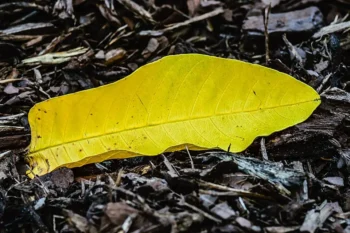
Guava: The Tropical Treat That’s Made Itself at Home
If you’ve ever wandered through a tropical garden and caught a whiff of something sweet and floral, chances are you’ve encountered a guava tree in bloom. The common guava (Psidium guajava) has become a familiar sight across America’s warmest regions, bringing a taste of the tropics to backyard gardens from Florida to Hawaii.
What Exactly Is Guava?
Guava is a perennial evergreen shrub or small tree that typically grows as a multi-stemmed woody plant. Don’t let the word shrub fool you – this beauty can reach up to 25 feet tall and wide when fully mature, though it usually stays more manageable in home gardens. With its moderate growth rate, you won’t be waiting decades to enjoy its benefits, but it won’t overwhelm your garden space overnight either.
Where You’ll Find Guava Growing Wild
Originally hailing from Central America, Mexico, and northern South America, guava has made itself quite comfortable in warmer parts of the United States. Today, you’ll find it growing throughout Florida, Hawaii, Louisiana, and various U.S. territories including Guam, Palau, Puerto Rico, and the Virgin Islands. This non-native species has proven remarkably adaptable, establishing itself in these regions where it now reproduces on its own.
- Species observed
- No observations
The Good, The Beautiful, and The Delicious
So why might you want to invite guava into your garden? Here are the highlights:
- Year-round beauty: As an evergreen, guava provides constant greenery with attractive, glossy leaves
- Fragrant flowers: Small white blooms appear in spring, filling the air with a sweet perfume
- Tasty fruit: The real showstopper – yellow fruits that are both beautiful and delicious
- Pollinator magnet: Those spring flowers are bee favorites
- Versatile growth: Can be grown as a specimen tree, privacy screen, or even in large containers
Growing Conditions: What Guava Craves
Guava is surprisingly adaptable when it comes to soil – it’s happy in coarse, medium, or fine-textured soils. However, it does have some specific preferences:
- Climate: Thrives in USDA zones 9b-11 (needs at least 365 frost-free days)
- Temperature: Cannot tolerate temperatures below 33°F
- Soil pH: Prefers slightly acidic to neutral soil (pH 5.5-7.0)
- Water: Moderate moisture needs – not too wet, not too dry
- Light: Full sun to partial shade (intermediate shade tolerance)
- Drainage: Must have well-draining soil
Planting and Care Made Simple
Getting started with guava is refreshingly straightforward:
- Planting: Space plants 100-400 per acre (or about 10-20 feet apart in home gardens)
- Propagation: Can be grown from seed, cuttings, or purchased as container plants
- Watering: Establish a regular watering schedule, but avoid waterlogged conditions
- Fertilizing: Moderate fertility needs – avoid over-fertilizing
- Pruning: Responds well to pruning and can be shaped as desired
- Patience: Seeds are abundant (about 36,200 per pound!) and germinate readily
A Word About Water and Wetlands
Interestingly, guava’s relationship with water varies by region. In most areas, it’s considered an upland plant that rarely occurs in wetlands. However, in some coastal regions, it can occasionally pop up in wetter areas. This adaptability is part of what makes it such a successful introduced species.
The Bigger Picture: Consider Native Alternatives
While guava can be a lovely addition to appropriate gardens, it’s worth considering native alternatives that provide similar benefits while supporting local ecosystems. Depending on your region, native fruit-bearing shrubs and small trees might include:
- Native persimmons (Diospyros species)
- Native plums (Prunus species)
- Elderberry (Sambucus canadensis)
- Native serviceberries (Amelanchier species)
The Bottom Line
Guava offers tropical beauty, fragrant flowers, and delicious fruit for gardeners in warm climates. If you’re in zones 9b-11 and have well-draining soil, it can be a rewarding addition to your edible landscape. Just remember to research what native alternatives might work in your area – your local wildlife will thank you for it!
Whether you choose guava or a native alternative, the key is matching the right plant to your specific conditions and garden goals. Happy gardening!