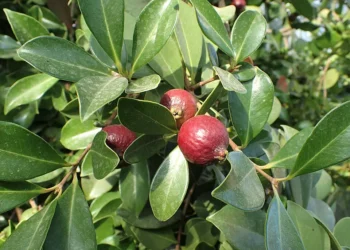
Guinea Guava: A Sweet Tropical Addition to Your Garden
Meet the Guinea guava (Psidium guineense), a delightful fruit-bearing plant that’s been quietly winning over gardeners who love edible landscaping. While it might not be as famous as its cousin the common guava, this South American native has plenty of charm and flavor to offer the adventurous gardener.
What Exactly Is Guinea Guava?
Guinea guava, scientifically known as Psidium guineense, is a small to medium-sized shrub or tree that belongs to the myrtle family. You might also see it listed under its synonym Psidium araca. This tropical beauty produces sweet, edible fruits that are smaller than regular guavas but pack a similarly delicious punch.
Where Does It Come From?
This fruity friend hails from South America, particularly Brazil and surrounding regions, where it grows naturally in tropical and subtropical climates. It’s perfectly at home in warm, humid conditions but can adapt to various growing situations with proper care.
Why You Might Want to Grow Guinea Guava
There are several compelling reasons to consider adding this plant to your garden:
- Produces delicious, vitamin-C rich fruits that are perfect for eating fresh or making into jams
- Attractive white flowers that bloom periodically throughout the growing season
- Supports pollinators like bees with its nectar-rich blooms
- Relatively compact size makes it suitable for smaller gardens or container growing
- Evergreen foliage provides year-round interest in suitable climates
Garden Design and Landscape Role
Guinea guava works beautifully as a specimen plant in edible landscapes or tropical garden designs. Its moderate size makes it perfect for:
- Mixed fruit tree orchards
- Edible landscape borders
- Container gardens on patios or decks
- Privacy screens or informal hedges
Growing Conditions and Care
Success with Guinea guava comes down to understanding its tropical origins. Here’s what this plant needs to thrive:
Climate: Hardy in USDA zones 9b through 11, though it can be grown in containers and brought indoors in cooler climates during winter.
Sunlight: Prefers full sun but tolerates partial shade. More sun typically means more fruit production.
Soil: Well-draining soil is essential. It adapts to various soil types but performs best in slightly acidic to neutral pH.
Water: Regular, consistent moisture is key, but avoid waterlogged conditions which can lead to root problems.
Planting and Care Tips
Getting started with Guinea guava is relatively straightforward:
- Plant in spring after the last frost date in your area
- Space plants 6-10 feet apart if planting multiple specimens
- Water regularly, especially during dry periods and fruit development
- Apply mulch around the base to retain moisture and suppress weeds
- Prune lightly for shape and to remove dead or crossing branches
- Protect from frost in borderline hardy zones
A Word About Native Alternatives
While Guinea guava can be a wonderful addition to suitable gardens, it’s worth considering native alternatives that might provide similar benefits while supporting local ecosystems. Depending on your region, native fruit-bearing plants like serviceberries, elderberries, or native plums might offer comparable edible landscaping value with added ecological benefits.
The Bottom Line
Guinea guava offers tropical gardeners and fruit enthusiasts a chance to grow something a little different while adding both beauty and flavor to their landscape. With proper care and the right growing conditions, this South American native can become a productive and attractive addition to your garden. Just remember to research what grows naturally in your area – sometimes the best garden surprises are hiding in your local native plant community!