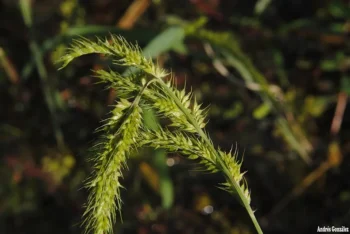
Gulf Cockspur Grass: What Every Gardener Should Know About This Wetland Annual
If you’ve stumbled across the term gulf cockspur grass while researching plants for your garden or wetland area, you’re probably wondering whether this annual grass deserves a spot in your landscape. Let’s dive into what makes Echinochloa cruspavonis tick and whether it’s the right choice for your gardening goals.
Meet Gulf Cockspur Grass
Gulf cockspur grass (Echinochloa cruspavonis) is an annual graminoid—that’s a fancy way of saying it’s a grass-like plant that completes its entire life cycle in one growing season. As part of the broader cockspur grass family, this species shares the characteristic appearance of many wetland grasses, though it tends to fly under the radar compared to its more well-known relatives.
Where You’ll Find It Growing
This adaptable grass has made itself at home across a surprisingly wide range of the United States. You can find gulf cockspur grass growing in Alabama, Arizona, Arkansas, California, Colorado, Florida, Kansas, Louisiana, Maryland, Mississippi, Missouri, Nevada, New Mexico, Oklahoma, Oregon, Texas, Utah, and Puerto Rico. That’s quite the geographic spread for a single species!
- Species observed
- No observations
Native Status: The Plot Thickens
Here’s where things get interesting. Gulf cockspur grass isn’t actually native to the lower 48 states—it’s what botanists call an introduced species. However, in Puerto Rico, it’s considered a non-native plant that has naturalized, meaning it reproduces on its own in the wild and has established persistent populations. This mixed status makes it a bit of a botanical puzzle piece.
A Wetland Specialist
One of the most fascinating aspects of gulf cockspur grass is its strong preference for wet conditions. Its wetland status varies depending on where you are:
- Obligate Wetland regions (Atlantic and Gulf Coastal Plain, Caribbean, Great Plains): Almost always found in wetlands
- Facultative Wetland regions (Arid West, Eastern Mountains and Piedmont, Midwest, Western Mountains): Usually in wetlands but occasionally in drier spots
This wetland preference means gulf cockspur grass thrives in consistently moist to wet soils—think pond edges, marshes, and seasonal wetlands.
Should You Grow Gulf Cockspur Grass?
As a non-native annual grass with limited ornamental value, gulf cockspur grass isn’t typically something you’d intentionally plant in your garden. While it’s not currently listed as invasive or noxious, its ability to establish in diverse climates and wetland habitats suggests it’s quite adaptable.
If you’re looking to support native ecosystems and local wildlife, consider these native wetland grass alternatives instead:
- Wild rice (Zizania species) for northern wetlands
- Switchgrass (Panicum virgatum) for prairie-style plantings
- Sedges (Carex species) for year-round wetland interest
- Native bulrushes (Scirpus species) for pond margins
If It Shows Up Anyway
Since gulf cockspur grass is an annual, individual plants will die back after setting seed. If you find it growing in your wetland areas and want to manage it, the key is preventing seed production by cutting plants before they flower and set seed. However, given its non-invasive status, it’s generally not a high-priority management concern.
The Bottom Line
Gulf cockspur grass is one of those plants that’s more likely to find you than you are to seek it out. While it’s not a garden showstopper or a native species we’d typically recommend for restoration projects, it’s also not a problematic invader that requires immediate action. If you’re passionate about wetland gardening, focus your energy on native species that will provide better habitat value and support local ecosystems.
Remember, every garden is an opportunity to support native wildlife and plant communities—and that usually means choosing plants that have co-evolved with your local environment over thousands of years.