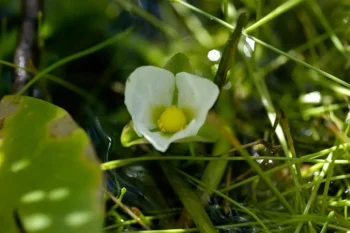
Guyanese Arrowhead: An Exotic Water Plant for Your Pond Garden
Looking to add some tropical flair to your water garden? The Guyanese arrowhead (Sagittaria guayanensis) might catch your eye with its distinctive arrow-shaped leaves and delicate white flowers. But before you dive in, let’s explore what this South American native has to offer and whether it’s the right fit for your aquatic landscape.
What Is Guyanese Arrowhead?
Guyanese arrowhead is a perennial aquatic plant that belongs to the water plantain family. True to its name, this species hails from Guyana and other parts of South America. As a forb, it’s a non-woody plant that lacks the thick, sturdy stems you’d find on shrubs or trees. Instead, it puts its energy into those gorgeous arrow-shaped leaves and charming white flowers that dance above the water’s surface.
Where Does It Grow?
In the United States, Sagittaria guayanensis has made itself at home in Louisiana, where it has established populations in the wild. As a non-native species that arrived from South America, it has shown it can reproduce and persist without human assistance in suitable wetland habitats.
- Species observed
- No observations
A Plant That Lives for Water
If you’re wondering where this plant likes to hang out, think wet – really wet. Guyanese arrowhead is what botanists call an obligate wetland species, which is a fancy way of saying it almost always needs its feet (or roots) in water. You’ll find it thriving in:
- Shallow pond margins
- Bog gardens
- Water gardens
- Consistently saturated soils
Garden Appeal and Landscape Role
What makes Guyanese arrowhead appealing to water gardeners? Those signature arrow-shaped leaves create lovely architectural interest, while the three-petaled white flowers add delicate beauty to pond edges. The plant typically grows in USDA hardiness zones 8-11, making it suitable for warmer climates.
This species works well as an accent plant in water features, providing vertical interest and helping to naturalize pond edges. It’s particularly at home in bog gardens or the shallow areas of larger ponds where it can spread naturally.
Growing Guyanese Arrowhead Successfully
Want to try growing this tropical beauty? Here’s what you need to know:
- Light requirements: Full sun to partial shade
- Water needs: Constantly wet to submerged conditions
- Soil: Any soil that stays saturated
- Planting depth: In shallow water or at the water’s edge
- Spacing: Be aware it can spread via runners
One thing to keep in mind: like many aquatic plants, Guyanese arrowhead can spread through underground runners. In smaller water features, you might want to contain it in pots to prevent it from taking over.
Pollinator and Wildlife Benefits
The white flowers of Guyanese arrowhead aren’t just pretty – they also provide nectar for various pollinators, including bees and flies. While specific wildlife benefits for this species aren’t well-documented, aquatic plants generally provide habitat and food sources for water-loving creatures.
Should You Plant It?
Here’s the thing about Guyanese arrowhead: while it’s not considered invasive or harmful, it is a non-native species. If you’re passionate about supporting local ecosystems, you might want to consider native alternatives first.
Some fantastic native Sagittaria species to consider include:
- Broadleaf arrowhead (Sagittaria latifolia)
- Duck potato (Sagittaria cuneata)
- Grassy arrowhead (Sagittaria graminea)
These native cousins offer similar beauty and growth habits while providing better support for local wildlife and pollinators that have evolved alongside them.
The Bottom Line
Guyanese arrowhead can be a lovely addition to water gardens in warmer climates, especially if you’re drawn to its tropical origins and distinctive foliage. Just remember to be a responsible gardener – keep it contained if needed, and consider exploring native alternatives that might serve your landscape goals while supporting local ecosystems. After all, the best gardens are those that work in harmony with their surrounding environment!