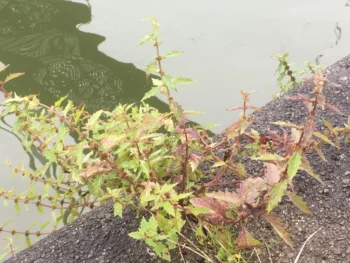
Gypsywort: A Wetland Plant for Moisture-Loving Gardens
If you’re looking for a plant that absolutely loves wet feet, gypsywort (Lycopus europaeus) might catch your attention. This unassuming perennial herb has been quietly establishing itself across North America, though it originally hails from much farther away. Let’s dive into what makes this wetland specialist tick and whether it deserves a spot in your garden.
What Exactly is Gypsywort?
Gypsywort is a perennial forb – basically, a non-woody plant that comes back year after year. It belongs to the mint family, though it’s not nearly as well-known as its aromatic cousins. The plant produces small, white flowers arranged in dense clusters and has serrated leaves that give it a somewhat understated appearance.
This plant is a European and Asian native that has made itself at home across much of North America. You’ll find it established in states from Alabama to Wisconsin, and it’s also present in several Canadian provinces including British Columbia, Nova Scotia, Ontario, and Quebec.
- Species observed
- No observations
The Wetland Specialist
Here’s where gypsywort really shows its preferences: it’s classified as an obligate wetland plant across all regions where it grows. This means it almost always occurs in wetlands and absolutely thrives in consistently moist to wet conditions. If you have a soggy spot in your yard that other plants struggle with, gypsywort might actually appreciate it.
Growing Conditions and Care
Gypsywort is surprisingly low-maintenance once you understand its needs:
- Moisture: Consistent moisture to wet conditions are essential
- Light: Full sun to partial shade
- Soil: Tolerates clay and poor drainage – actually prefers it!
- Hardiness: Thrives in USDA zones 4-8
Plant gypsywort in spring and keep the soil consistently moist. The plant can spread via underground rhizomes, so give it room to naturalize or be prepared to manage its spread if you prefer a more controlled look.
Garden Uses and Design Role
Gypsywort works best in specific garden situations:
- Wetland and bog gardens
- Rain gardens and bioswales
- Naturalized areas near water features
- Wildlife gardens focused on supporting diverse ecosystems
While not a showstopper in terms of visual appeal, gypsywort offers subtle charm with its clusters of small white flowers that attract various small pollinators including bees and flies.
Should You Plant Gypsywort?
As a non-native species, gypsywort presents a neutral choice for gardeners. It’s not considered invasive or harmful, but it’s also not contributing to native ecosystem support in the same way indigenous plants would.
Consider gypsywort if you:
- Have consistently wet areas where other plants struggle
- Want a low-maintenance wetland plant
- Are creating a naturalized water garden
You might skip it if you:
- Prioritize native plants for ecosystem benefits
- Have well-drained garden conditions
- Prefer more visually striking flowering plants
Native Alternatives to Consider
If you’re interested in supporting native ecosystems, consider these native wetland alternatives that offer similar growing requirements:
- Wild mint (Mentha arvensis) – another mint family member
- Blue vervain (Verbena hastata) – striking purple flower spikes
- Swamp milkweed (Asclepias incarnata) – supports monarch butterflies
- Cardinal flower (Lobelia cardinalis) – brilliant red blooms
These native options provide similar wetland tolerance while offering greater benefits to local wildlife and pollinators.
The Bottom Line
Gypsywort fills a specific niche for gardeners dealing with consistently wet conditions. While it won’t win any beauty contests, it’s a reliable, low-maintenance option for challenging wet spots. Whether you choose to grow it or opt for native alternatives depends on your gardening goals and priorities. If you do decide to plant gypsywort, you’ll have a hardy perennial that’s perfectly content in conditions that would stress many other garden plants.