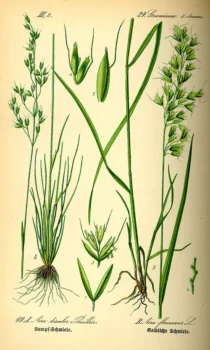
Hairgrass (Aira): A Delicate Non-Native Grass for Your Garden
If you’re looking for a fine-textured grass that adds a soft, airy quality to your landscape, hairgrass might have caught your attention. This delicate annual grass has made itself quite at home across North America, though it originally hails from far across the pond.
What is Hairgrass?
Hairgrass, botanically known as Aira, is a genus of small annual grasses that live up to their common name with incredibly fine, hair-like foliage. These dainty grasses belong to the monocot family and are characterized by their grass-like growth habit, producing delicate seed heads that dance in the slightest breeze.
Native Status and Geographic Distribution
Here’s where things get interesting – hairgrass isn’t actually native to North America. This European native has established itself as a non-native species that reproduces spontaneously in the wild across Alaska, Canada, Hawaii, and the lower 48 states. It has naturalized in an impressive range of locations, from Alabama to Wyoming, and from British Columbia to Nova Scotia.
- Species observed
- No observations
Should You Plant Hairgrass in Your Garden?
The decision to include hairgrass in your landscape comes down to your gardening philosophy and goals. As a non-native species, it won’t provide the same ecological benefits as indigenous plants, but it’s not currently listed as invasive or problematic either.
Aesthetic Appeal and Garden Role
Hairgrass brings a subtle, naturalistic charm to gardens with its:
- Fine, delicate texture that contrasts beautifully with broader-leaved plants
- Airy seed heads that add movement and lightness to plantings
- Ability to fill gaps and soften harsh edges in the landscape
- Natural, informal appearance that works well in meadow-style gardens
Where Does Hairgrass Thrive?
This adaptable little grass is surprisingly versatile when it comes to growing conditions. It performs well in:
- Full sun to partial shade locations
- Various soil types, from poor to moderately fertile
- Areas with minimal irrigation once established
- Disturbed sites where it can quickly establish
Growing and Care Tips
One of hairgrass’s biggest selling points is its low-maintenance nature. As an annual, it completes its life cycle in one growing season but readily self-seeds for the following year. Here’s what you need to know:
- Minimal care required once established
- Drought tolerant after initial establishment
- Self-seeding means it can spread naturally
- Suitable for USDA zones 3-10 depending on the specific species
Wildlife and Pollinator Benefits
As a wind-pollinated grass, hairgrass offers limited benefits to pollinators compared to native flowering plants. While it may provide some minor wildlife habitat, it doesn’t offer the specialized relationships that native grasses have developed with local wildlife over thousands of years.
Consider Native Alternatives
If you’re drawn to the fine texture and natural appeal of hairgrass, consider exploring native grass alternatives that offer similar aesthetic qualities while supporting local ecosystems. Native bunch grasses and fine fescues can provide comparable visual appeal with greater ecological value.
The Bottom Line
Hairgrass occupies an interesting middle ground in the gardening world. It’s not invasive enough to avoid entirely, yet not native enough to champion wholeheartedly. If you choose to include it in your landscape, appreciate it for what it is – a naturalistic, low-maintenance grass that adds delicate texture to informal garden settings. Just remember that choosing native alternatives whenever possible helps support the intricate web of local wildlife that depends on indigenous plants.