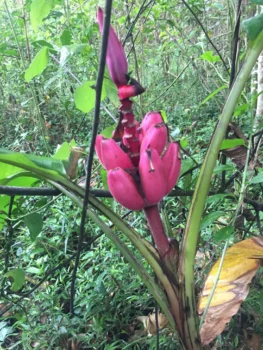
Hairy Banana: The Quirky Ornamental That’s Almost Too Cute to Eat
If you’ve ever wondered what would happen if someone crossed a banana plant with a fuzzy peach, you might just end up with something like the hairy banana (Musa velutina). This delightfully unusual ornamental banana brings tropical flair to gardens with its adorable pink, fuzzy fruits that look more like decorations than actual bananas.
What Exactly Is a Hairy Banana?
The hairy banana is a perennial herb that belongs to the banana family, but don’t expect to find these in your local grocery store. This plant is all about ornamental appeal rather than filling your fruit bowl. Technically classified as a forb herb, it’s a vascular plant without significant woody tissue, meaning it stays relatively soft and herbaceous throughout its life.
While we know it by its charming common name hairy banana, this plant goes by the botanical name Musa velutina in scientific circles.
Where Does It Come From?
Originally hailing from the warm regions of northeast India and Southeast Asia, particularly the Assam region, the hairy banana has found its way to various tropical and subtropical locations around the world. In the United States, you’ll find it growing in Puerto Rico, where it has established itself as a non-native species that reproduces on its own in the wild.
- Species observed
- No observations
Why Gardeners Love (or Don’t Love) This Plant
The hairy banana is undeniably eye-catching with its vibrant pink bracts, purple flowers, and those signature fuzzy pink fruits that give it its name. It serves as an excellent conversation starter and tropical accent in the right setting. However, since it’s not native to most areas where it’s grown, some gardeners prefer to focus on native alternatives that better support local ecosystems.
If you’re in an area where this plant isn’t native, consider exploring indigenous banana relatives or other tropical-looking native plants that might give you similar aesthetic appeal while supporting local wildlife.
Perfect Garden Settings
The hairy banana shines in:
- Tropical-themed gardens
- Container gardens and patios
- Conservatories and indoor spaces
- Areas where you want a unique focal point
Growing Conditions and Care
This tropical beauty has some specific needs to keep it happy:
Climate: Hardy in USDA zones 9-11, but can be grown as an annual or houseplant in cooler areas
Light: Prefers partial shade to protect its leaves from scorching
Soil: Well-draining soil is essential to prevent root rot
Water: Regular watering and high humidity are key to success
Protection: Shield from strong winds that can damage the large leaves
Planting and Care Tips
- Plant in spring after the last frost if growing outdoors
- Fertilize regularly during the growing season for best performance
- Provide consistent moisture but ensure good drainage
- In colder climates, bring container plants indoors before temperatures drop
- Remove dead or damaged leaves to keep the plant looking its best
Wildlife and Pollinator Benefits
While specific wildlife benefits aren’t well-documented, the flowers do attract some birds and insects when in bloom. However, if supporting local ecosystems is a priority, native plants will always provide more comprehensive benefits to regional wildlife and pollinators.
The Bottom Line
The hairy banana is undeniably charming and makes for an interesting addition to tropical gardens or container collections. Its unique appearance and relatively manageable size make it appealing to gardeners looking for something different. Just remember that as a non-native species, it won’t contribute as much to local wildlife as indigenous plants would. Whether you choose to grow it or explore native alternatives, the most important thing is creating a garden space that brings you joy while being mindful of your local ecosystem.