Hairy Brome: What Every Gardener Should Know About This European Grass
If you’ve ever wondered about that coarse, somewhat scruffy-looking grass lurking in the shadier corners of your property, you might be looking at hairy brome (Bromus ramosus). This European native has quietly made itself at home across several U.S. states, and while it’s not causing ecological alarm bells to ring, it’s worth understanding what you’re dealing with.
Meet Hairy Brome
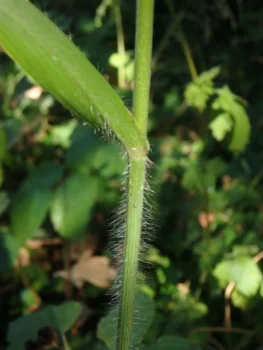
Hairy brome goes by the scientific name Bromus ramosus, though you might also see it listed under its synonyms Bromus asper or Bromopsis ramosa in older references. This perennial grass earned its common name honestly – it’s notably hairy compared to many other grasses, giving it a somewhat rough, textured appearance that’s hard to miss once you know what to look for.
Where You’ll Find It
Originally from Europe and western Asia, hairy brome has established populations in the District of Columbia, Kentucky, Louisiana, Maine, and Mississippi. It’s what botanists call a naturalized species – meaning it arrived from elsewhere but now reproduces on its own in the wild without any help from humans.
- Species observed
- No observations
What Does Hairy Brome Look Like?
This grass has a distinctly coarse texture and tends to form loose clumps rather than dense carpets. The seed heads droop characteristically, giving the plant a somewhat relaxed, informal appearance. It’s particularly noticeable in late spring and early summer when those drooping seed heads become prominent.
Growing Conditions and Habitat
Hairy brome thrives in conditions that many lawn grasses struggle with – particularly shade and moist soils. You’ll typically find it along woodland edges, in partially shaded areas, and in spots where the soil stays consistently moist. It’s hardy in USDA zones 4-8, which explains its ability to establish across such a diverse geographic range.
Should You Plant Hairy Brome?
Here’s the thing about hairy brome – it’s rarely something gardeners actively choose to plant. While it’s not considered invasive or particularly problematic, it’s also not winning any beauty contests. Its ornamental value is minimal, and most gardeners prefer more attractive alternatives for their landscapes.
If you’re looking to fill shady, moist areas in your garden, consider these native alternatives instead:
- Wild ginger for groundcover
- Native sedges like Pennsylvania sedge
- Wild strawberry for edible groundcover
- Native ferns for texture and year-round interest
Managing Hairy Brome
If hairy brome has already established itself on your property, you have a few options. Since it’s not invasive, you don’t need to panic about eradicating it immediately. However, if you prefer a tidier look or want to make room for more desirable plants, you can:
- Hand-pull small clumps when the soil is moist
- Mow regularly to prevent seed production
- Gradually replace it with native alternatives
- Improve soil drainage if you want to discourage its growth
Wildlife and Ecological Role
As a wind-pollinated grass, hairy brome doesn’t offer much in terms of nectar or pollen for beneficial insects. However, like many grasses, it may provide some habitat structure and seeds for wildlife, though native grasses typically offer superior benefits for local ecosystems.
The Bottom Line
Hairy brome is one of those plants that falls into the not harmful, but not particularly helpful category. While there’s no urgent need to eliminate it if it’s already established in out-of-the-way areas, most gardeners will find better options for intentional plantings. If you’re dealing with similar growing conditions – shade, moisture, and poor soil – consider exploring native alternatives that will provide greater ecological benefits and likely more aesthetic appeal for your garden.