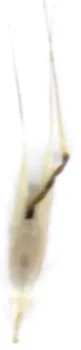
Hairy Wallaby Grass: An Australian Import for Your Garden
If you’re looking for a low-maintenance perennial grass that can handle tough conditions, hairy wallaby grass (Rytidosperma pilosum) might have caught your attention. This Australian native has found its way into gardens across California, Hawaii, and Oregon, bringing a bit of Down Under charm to American landscapes.
What is Hairy Wallaby Grass?
Hairy wallaby grass is a perennial tufted grass that forms neat clumps of fine-textured foliage. Despite its somewhat amusing name, this grass gets its hairy designation from the fuzzy appearance of its leaves and seed heads. Originally known by botanists as Danthonia pilosa, this drought-tolerant grass has adapted well to Mediterranean-style climates.
Where Does It Grow?
While hairy wallaby grass calls southeastern Australia home, it has established populations in several U.S. states. You’ll find it growing in California, Hawaii, and Oregon, where it reproduces naturally without human assistance.
- Species observed
- No observations
Garden Appeal and Uses
This grass brings several appealing qualities to the garden:
- Forms attractive, neat tufts that work well as ground cover
- Produces delicate, airy seed heads that add texture and movement
- Requires minimal water once established
- Handles poor soils better than many ornamental grasses
- Useful for erosion control on slopes
Growing Conditions
Hairy wallaby grass thrives in USDA hardiness zones 8-10 and prefers:
- Full sun to partial shade
- Well-draining soils (clay, sandy, or rocky)
- Minimal supplemental watering after establishment
- Mediterranean or drought-tolerant garden settings
Planting and Care Tips
This grass is refreshingly low-maintenance:
- Plant in spring or fall for best establishment
- Water regularly during the first growing season
- Once established, it can survive on natural rainfall in most climates
- May self-seed in favorable conditions
- Rarely needs fertilizing or special care
Should You Plant It?
While hairy wallaby grass can be a useful addition to drought-tolerant landscapes, it’s worth considering that this is a non-native species. If you’re passionate about supporting local ecosystems, you might want to explore native grass alternatives first.
Some excellent native grass options to consider include:
- Buffalo grass (Bouteloua dactyloides) for prairie regions
- Blue grama (Bouteloua gracilis) for western areas
- Little bluestem (Schizachyrium scoparium) for diverse conditions
- California fescue (Festuca californica) for Pacific Coast gardens
The Bottom Line
Hairy wallaby grass can be a practical choice for gardeners seeking a drought-tolerant, low-maintenance grass for naturalistic plantings or erosion control. However, before adding any non-native plant to your landscape, consider whether a native alternative might better serve both your garden goals and local wildlife. When in doubt, consult with local native plant societies or extension offices for the best grass recommendations for your specific region.