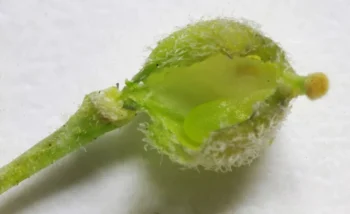
Hairy Whitetop: An Invasive Plant to Avoid in Your Garden
If you’ve stumbled across the name hairy whitetop while researching plants for your garden, here’s the short answer: don’t plant it. Cardaria pubescens, commonly known as hairy whitetop, is an invasive perennial that’s caused significant ecological problems across North America. While it might seem appealing with its clusters of small white flowers, this non-native species is definitely not garden-friendly.
What is Hairy Whitetop?
Hairy whitetop is a perennial forb (a non-woody flowering plant) that originally hails from Central Asia and the Mediterranean region. Despite its innocent-sounding name and delicate appearance, this plant is a aggressive colonizer that can quickly take over natural areas and displace native vegetation.
You might also encounter this plant listed under its scientific synonyms, including Hymenophysa pubescens or Lepidium appelianum, but regardless of the name, the message remains the same: avoid it.
Where You’ll Find It (Unfortunately)
Hairy whitetop has established itself across a wide swath of North America, including:
- Canadian provinces: Alberta, British Columbia, Manitoba, Saskatchewan
- Western US states: Arizona, California, Colorado, Idaho, Montana, Nevada, New Mexico, North Dakota, Oregon, Utah, Washington, Wyoming
- Midwest and other regions: Kansas, Michigan, Missouri, Nebraska, Pennsylvania, Wisconsin
- Species observed
- No observations
Why Hairy Whitetop is Problematic
This plant earns its troublesome reputation through several concerning characteristics:
- Aggressive spreader: It reproduces both by seed and through underground root systems
- Habitat domination: Forms dense colonies that crowd out native plants
- Legal restrictions: It’s listed as a prohibited noxious weed in Alaska
- Ecological disruption: Reduces biodiversity and alters natural plant communities
Growing Conditions (For Identification, Not Cultivation)
Understanding where hairy whitetop thrives can help you identify and manage it on your property. This adaptable plant:
- Tolerates various soil types and conditions
- Survives in USDA hardiness zones 3-9
- Generally prefers upland areas (rarely found in wetlands in most regions)
- Thrives in disturbed soils and open areas
What to Do Instead
If you’re looking for white-flowered native alternatives that won’t cause ecological havoc, consider these options depending on your region:
- Wild bergamot (Monarda fistulosa)
- White wild indigo (Amorpha alba)
- Pearly everlasting (Anaphalis margaritacea)
- Native asters and goldenrods
Consult with your local native plant society or extension office for the best native alternatives in your specific area.
If You Find It on Your Property
If you discover hairy whitetop growing on your land, don’t ignore it. Early intervention is key to preventing its spread. Contact your local agricultural extension office or invasive species management program for guidance on effective removal strategies. They can provide specific recommendations for your region and help you identify the plant correctly.
Remember, the best garden plants are those that support local ecosystems rather than disrupt them. When in doubt, choose native species that have co-evolved with your local wildlife and growing conditions. Your garden—and your local environment—will thank you for it.